
Quick Answer
Blood pressure numbers measure the force of blood pushing against the walls of your arteries.
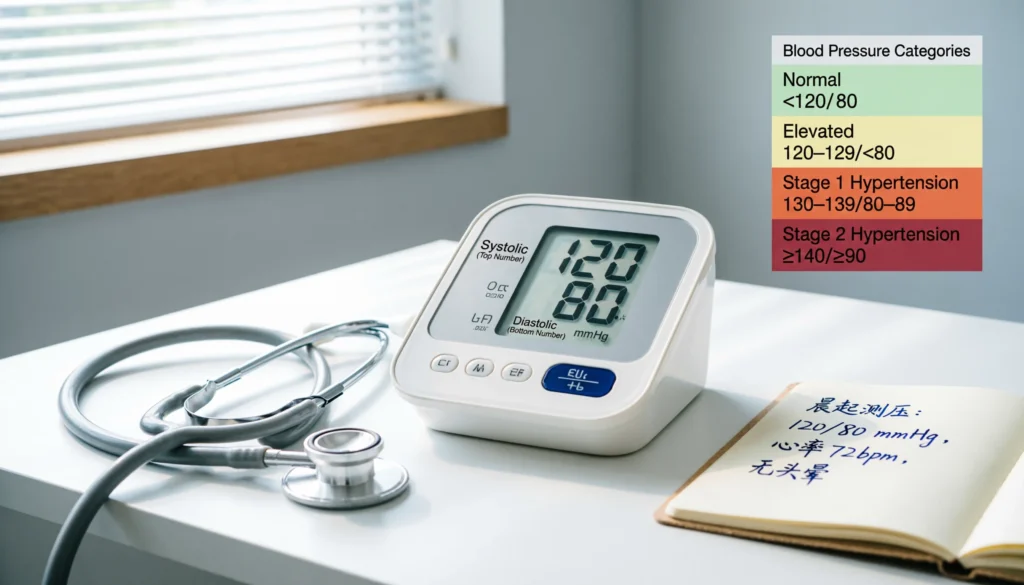
The top number (systolic) shows the pressure when your heart beats.
The bottom number (diastolic) shows the pressure when your heart rests between beats.
Both numbers are important indicators of heart and blood vessel health.
If you’ve ever had your blood pressure checked, you’ve seen two numbers written like this:
120/80 mmHg
But what do those numbers actually mean? Are both important? And what happens if one is high and the other is normal?
Let’s break it down in simple, clear language so you fully understand what your blood pressure numbers mean and why they matter for your heart health.
Understanding the Two Numbers
Blood pressure is written as:
Systolic / Diastolic
Example: 120/80
Let’s look at each one.
1️⃣ Systolic Blood Pressure (Top Number)
The systolic number measures the pressure in your arteries when your heart contracts and pumps blood out.
Think of it as:
The “push” pressure
If this number is high, it means your heart is working harder than normal to pump blood through your arteries.
Why Systolic Pressure Matters
High systolic pressure increases your risk of:
- Heart disease
- Stroke
- Kidney disease
- Artery damage
As people age, systolic pressure often rises due to stiffening arteries.
2️⃣ Diastolic Blood Pressure (Bottom Number)
The diastolic number measures the pressure in your arteries when your heart relaxes between beats.
Think of it as:
The “resting” pressure
This number shows how much pressure your arteries are under when your heart is at rest.
Why Diastolic Pressure Matters
If diastolic pressure stays high:
- It can damage arteries over time
- It increases strain on the heart
- It raises long-term cardiovascular risk
What Is Normal Blood Pressure?
According to guidelines from the American Heart Association, blood pressure categories are:
| Category | Systolic | Diastolic |
|---|---|---|
| Normal | Less than 120 | Less than 80 |
| Elevated | 120–129 | Less than 80 |
| High (Stage 1) | 130–139 | 80–89 |
| High (Stage 2) | 140 or higher | 90 or higher |
| Hypertensive Crisis | 180+ | 120+ |
If either number is high, your blood pressure is considered high.
What Does 120/80 Mean?
Let’s decode the most common example.
120/80 mmHg
- 120 = Pressure when the heart beats
- 80 = Pressure when the heart rests
- mmHg = Millimeters of mercury (unit of measurement)
This reading is considered normal and healthy.
What If Only One Number Is High?
Many people wonder:
“What if my systolic is high but diastolic is normal?”
This condition is called isolated systolic hypertension. It’s common in older adults and still increases heart risk.
If your diastolic is high but systolic is normal, it’s less common but still important to evaluate.
Both numbers matter — not just the top one.
Why Blood Pressure Numbers Matter
Your arteries are designed to handle normal pressure. But when pressure stays high:
- Artery walls thicken
- Blood vessels stiffen
- The heart enlarges
- Organs receive less oxygen
Over time, high blood pressure (hypertension) can silently damage:
- The heart
- The brain
- The kidneys
- The eyes
That’s why it’s often called:
“The silent killer”
Many people feel completely fine — until complications develop.
What Causes High Blood Pressure?
Several factors can raise your numbers:
Lifestyle Factors
- High salt intake
- Obesity
- Lack of exercise
- Smoking
- Heavy alcohol use
- Chronic stress
Medical Conditions
- Kidney disease
- Thyroid disorders
- Sleep apnea
- Diabetes
Genetics
Family history plays a major role.
What Causes Low Blood Pressure?
Low blood pressure (hypotension) usually means:
- Systolic under 90
- Diastolic under 60
It may cause:
- Dizziness
- Fainting
- Blurred vision
- Fatigue
Common causes include dehydration, blood loss, infections, or certain medications.
How Blood Pressure Is Measured
A blood pressure cuff inflates around your arm and temporarily stops blood flow. As it deflates:
- The first sound detected = systolic pressure
- The last sound detected = diastolic pressure
Home monitors now make it easy to track your numbers regularly.
What Is a Healthy Target?
For most adults:
- Below 120/80 is ideal
- Under 130/80 is often acceptable
However, targets may vary depending on:
- Age
- Diabetes status
- Kidney health
- Heart disease risk
Always follow your healthcare provider’s guidance.
How to Lower High Blood Pressure Naturally
If your numbers are creeping up, these lifestyle changes can help:
1. Reduce Sodium
Aim for less than 1,500–2,300 mg per day.
2. Exercise Regularly
30 minutes of moderate activity most days.
3. Maintain Healthy Weight
Even 5–10 pounds of weight loss can lower pressure.
4. Eat Heart-Healthy Foods
Focus on:
- Fruits
- Vegetables
- Whole grains
- Lean proteins
5. Limit Alcohol
No more than:
- 1 drink/day for women
- 2 drinks/day for men
6. Manage Stress
Try:
- Deep breathing
- Meditation
- Better sleep habits
When Is It an Emergency?
Seek immediate medical help if your reading is:
180/120 or higher
Especially if you have:
- Chest pain
- Shortness of breath
- Severe headache
- Vision changes
This is called a hypertensive crisis.
FAQs
What is more important, systolic or diastolic?
Both are important, but systolic pressure is often considered a stronger predictor of heart risk, especially in adults over 50.
Is 140/90 bad?
Yes. This falls into Stage 2 hypertension and should be evaluated by a healthcare provider.
Can anxiety raise blood pressure?
Yes. Temporary stress or anxiety can raise readings, but chronic stress may contribute to long-term hypertension.
Why does my blood pressure change throughout the day?
It naturally fluctuates due to:
- Activity
- Emotions
- Meals
- Sleep
Morning readings are often higher.
Can blood pressure be temporarily high?
Yes. Pain, caffeine, stress, or exercise can cause temporary spikes.
Conclusion
Blood pressure numbers tell a powerful story about your heart and artery health.
The top number (systolic) shows pressure during heartbeats. The bottom number (diastolic) shows pressure between beats. Healthy numbers reduce your risk of heart attack, stroke, and organ damage.
The good news?
Blood pressure is one of the most controllable health measurements. With lifestyle changes, monitoring, and medical care when needed, you can protect your heart long term.
Discover More Related Articles:
- High MCHC Meaning: What Your Blood Test Is Telling You in 2026
- Specific Gravity in Urine Tests: Hydration and Kidney Function in 2026

Daniel Moore is a content writer and language enthusiast at TextRoast.com, specializing in decoding slang, abbreviations, and trending text expressions. He creates engaging and informative articles that help readers understand the meaning behind everyday words and online communication.