
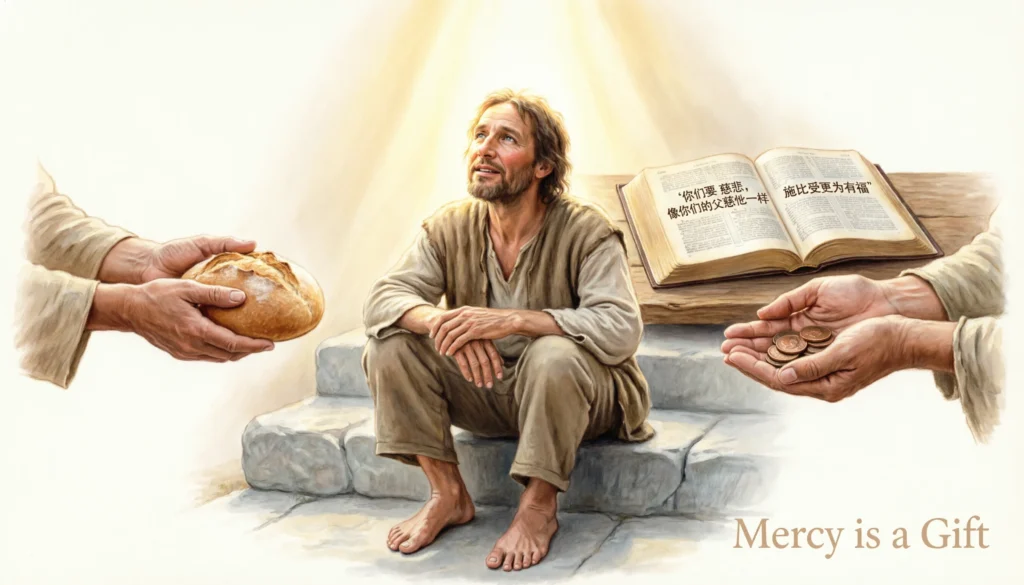
Alms in the Bible refer to gifts, offerings, or acts of charity given to the poor, widows, or needy, done with a sincere heart to honor God. They symbolize mercy, righteousness, and spiritual obedience.
The word alms appears frequently in the Bible and plays an important role in understanding Christian charity, compassion, and obedience to God. Alms are not just about giving money they represent acts of generosity, mercy, and care for the needy, reflecting God’s heart for justice and love.
This comprehensive guide explores what alms mean in the Bible, their significance in Hebrew and Greek, examples of giving alms in Scripture, practical lessons for today, comparisons with modern charity, and spiritual applications for believers.
Hebrew and Greek Origins of Alms
Hebrew Context
In the Old Testament, the Hebrew word “tzedakah” (צְדָקָה) is often translated as charity or alms.
- Meaning: Righteousness, justice, or giving to help the needy
- Emphasis: Helping others is not optional; it is a righteous duty
Greek Context
In the New Testament, the Greek word “eleemosyne” (ἐλεημοσύνη) is translated as alms.
- Meaning: Mercy, compassion, charitable giving
- Emphasis: Giving as an expression of love and humility before God
Alms in the Old Testament
The Old Testament emphasizes helping the people with low-income, widows, orphans, and strangers.
- Leviticus 19:9-10 – Farmers are instructed to leave the edges of their fields for the poor
- Deuteronomy 15:7-8 – Israelites are told to be generous and open their hands to the needy
Key point: Almsgiving was part of obeying God’s law and showing righteousness.
Alms in the New Testament
In the New Testament, Jesus emphasizes the heart behind giving alms.
Examples:
- Matthew 6:1-4 – Jesus teaches to give alms in secret, not for public praise.
- Luke 21:1-4 – The poor widow gives two small coins, showing sincere devotion; her offering is greater than wealthy gifts.
Lesson: God values the intent and humility behind giving, not the amount.
Spiritual Significance of Alms
Almsgiving in the Bible carries spiritual meaning:
- Obedience to God: Alms reflect living in accordance with God’s law.
- Expression of Mercy: Helping the poor demonstrates love for God and neighbor.
- Purification of the Heart: Giving selflessly cultivates humility and compassion.
- Blessings and Rewards: Scripture teaches that generous givers receive God’s favor (Proverbs 19:17).
Alms vs Charity
While “charity” is a modern term for general generosity, alms in biblical terms emphasize righteousness, justice, and obedience to God.
| Term | Meaning | Biblical Emphasis |
|---|---|---|
| Alms | Gifts for the people with low-income | Obedience, mercy, righteousness |
| Charity | General kindness | Human compassion, social good |
How Alms Were Given
- Money or coins: The widow’s mite (Luke 21:2-4)
- Food or crops: Leaving parts of harvest for the people with low-income (Leviticus 19:9-10)
- Clothing or shelter: Helping strangers, widows, and orphans
- Service: Acts of kindness or protection
Alms and Prayer
Almsgiving is often linked to prayer:
- Acts 10:2 – Cornelius gave alms regularly and prayed to God.
- Matthew 6:4 – Jesus connects secret giving to God’s blessing.
Lesson: Generosity strengthens spiritual life and draws believers closer to God.
Examples of Alms in the Bible
| Example | Scripture | Lesson |
|---|---|---|
| Widow’s two coins | Luke 21:1-4 | Humble giving matters more than size |
| Cornelius’ alms | Acts 10:2 | Almsgiving combined with prayer pleases God |
| Leaving harvest edges | Leviticus 19:9-10 | Care for the people with low-income is commanded |
| Giving in secret | Matthew 6:1-4 | God rewards sincerity, not public praise |
Alms and Jesus’ Teaching
Jesus taught that alms are a sign of true discipleship:
- Must be humble and sincere
- Should not seek recognition or praise
- Reflect God’s mercy and compassion
Matthew 6:3: “But when you give to the needy, do not let your left hand know what your right hand is doing.”
Modern Application of Alms
Alms in biblical sense can be practiced today:
- Monetary donations – Give to the people with low-income or church missions with a pure heart
- Volunteering – Acts of service count as modern alms
- Support for widows, orphans, and needy families
- Anonymous giving – Focus on God’s reward, not human praise
- Prayerful giving – Combine generosity with spiritual reflection
Benefits of Giving Alms
- Cultivates humility and compassion
- Strengthens faith and reliance on God
- Builds community and helps those in need
- Brings spiritual blessing and reward
Proverbs 19:17 “Whoever is generous to the poor lends to the Lord, and he will repay him for his deed.”
FAQs
What does alms mean in the Bible?
Alms are gifts or acts of charity given to the people with low-income or needy in obedience to God.
Is almsgiving mandatory in the Bible?
Yes, giving to those in need is a form of righteousness and obedience.
Can alms be anything besides money?
Yes, food, clothing, help, and service also count.
Does God reward alms?
Yes, God blesses and honors those who give sincerely.
How did Jesus teach giving alms?
He taught to give humbly, in secret, and with a sincere heart.
Are alms and charity the same?
Charity is broader, while alms in the Bible emphasizes righteousness and God’s commands.
Why is the widow’s mite significant?
It demonstrates that God values sincere, sacrificial giving over the size of the gift.
Conclusion
So what does alms mean in the Bible? Alms are acts of charity, giving, and mercy performed with a sincere heart to honor God.
They reflect God’s justice, righteousness, and compassion for the needy. Almsgiving is not just about material support it cultivates humility, faith, and spiritual growth.
From the widow’s mite to the laws of Leviticus, alms remind believers that true generosity flows from a heart devoted to God, producing blessings for both the giver and receiver.
Discover More Related Articles:
- Colorado Meaning in Spanish: Literal vs Cultural Meaning in 2026
- C’est la vie in English: What It Means and How to Use It Correctly in 2026

David Brown is a content writer and language enthusiast at textroast.com, where he creates insightful articles that explain the meanings of words, slang, and phrases used in everyday life. His work helps readers decode modern language trends, understand cultural expressions, and make sense of online communication with clarity and fun.