
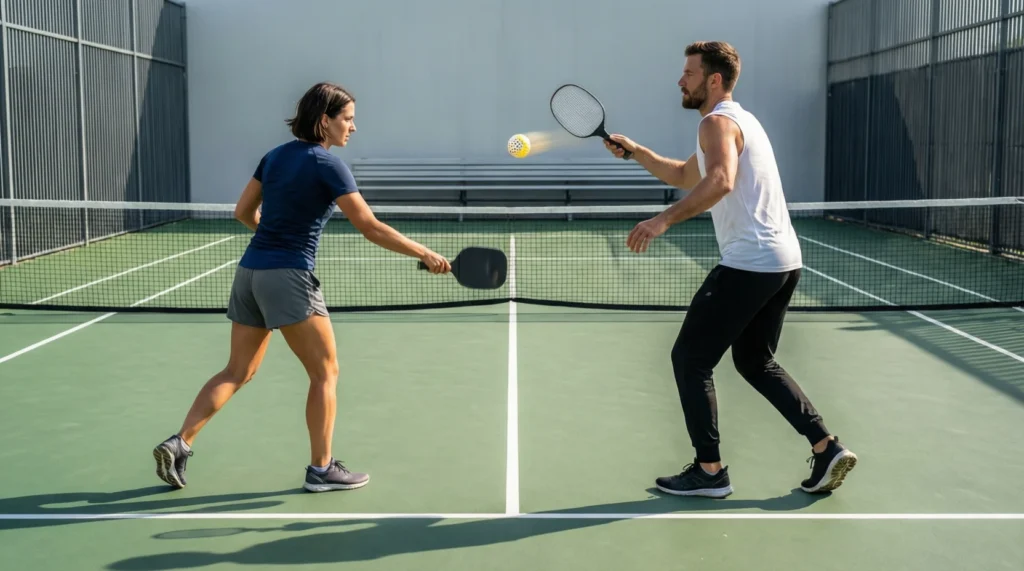
In pickleball, a dink is a soft, controlled shot hit gently over the net that lands in the opponent’s non-volley zone, also known as the kitchen. The purpose of a dink is not power, but placement, control, and strategy.
Pickleball may look simple at first, but once you start playing seriously, you quickly realize how important finesse is. One of the most talked-about and misunderstood shots in the game is the dink. Beginners often hear experienced players say things like “stay patient and dink” or “win the dink battle,” and wonder what that really means.
Understanding what does dink mean in pickleball is essential if you want to improve your game. The dink is a foundational shot that separates casual players from skilled competitors. This article explains the meaning of a dink, how it is used, why it matters, and how you can practice and improve it.
What Does Dink Mean in Pickleball?
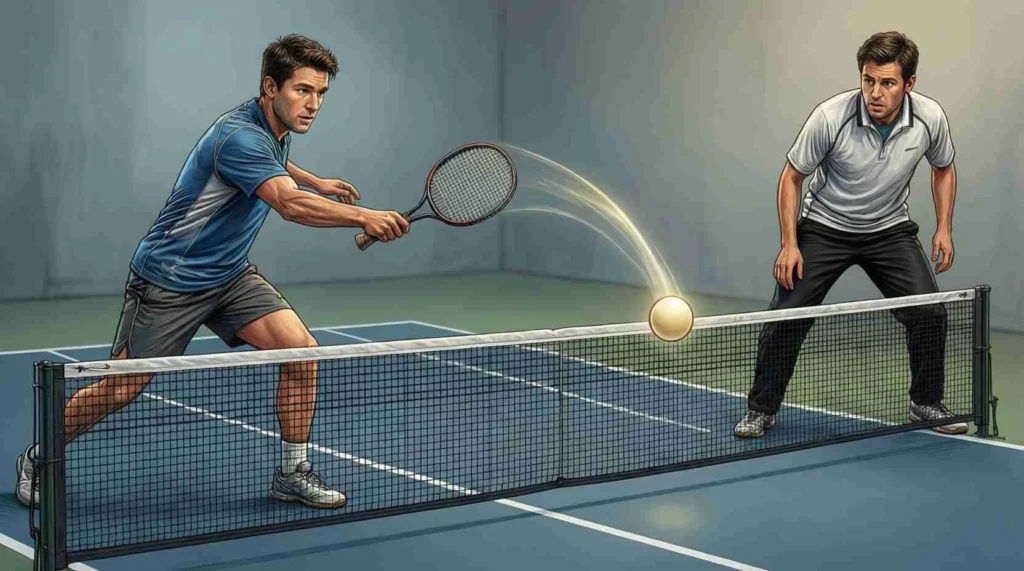
In pickleball, a dink is a soft shot played close to the net that arcs gently over the net and lands inside the opponent’s non-volley zone. It is typically hit from near your own kitchen line and is designed to be unattackable.
Unlike powerful drives or smashes, a dink focuses on:
- Touch rather than force
- Accuracy rather than speed
- Patience rather than aggression
A successful dink forces your opponent to hit upward, limiting their attacking options.
Why Is It Called a Dink?
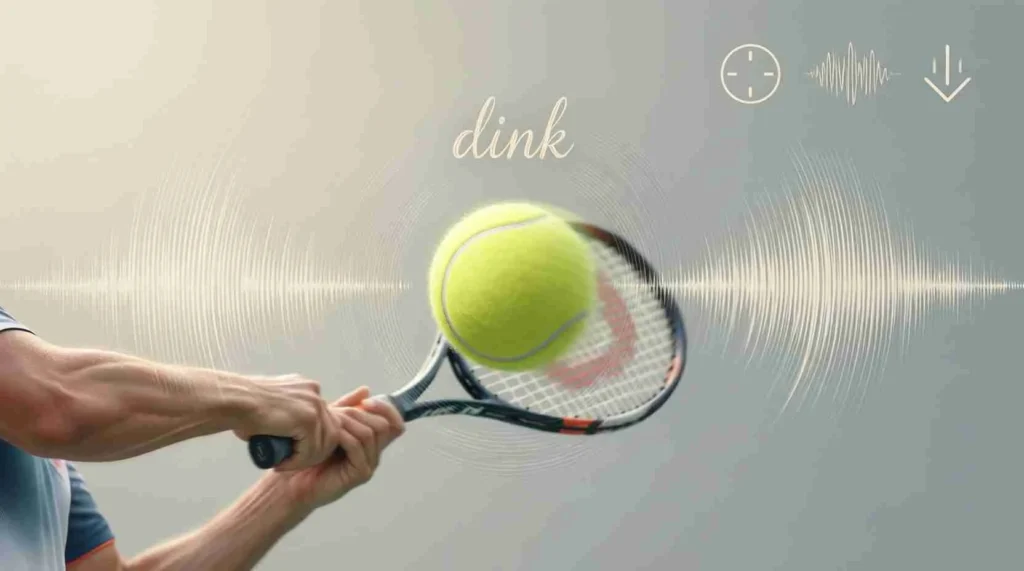
The word “dink” is informal and descriptive. It refers to the light, gentle sound the ball makes when struck softly. The name fits the shot’s nature, as it is subtle and controlled rather than loud or aggressive.
Over time, the term became standard in pickleball instruction, coaching, and tournament play.
Where the Dink Is Used on the Court
Dinks are primarily used during kitchen-line rallies, when both teams are positioned near the non-volley zone.
Key locations:
- Hit from just behind the non-volley zone line
- Land inside the opponent’s non-volley zone
- Stay low over the net
This positioning makes the dink one of the safest and most strategic shots in pickleball.
Purpose of a Dink in Pickleball
The dink serves several important purposes in a match.
Control the Pace
Dinks slow the game down and prevent opponents from using power shots.
Force Errors
A well-placed dink can cause opponents to:
- Hit into the net
- Pop the ball up too high
- Step into the kitchen illegally
Create Opportunities
Consistent dinking often leads to:
- Opponent frustration
- A weak return
- A high ball you can attack
How a Dink Is Different From Other Pickleball Shots
| Shot Type | Speed | Purpose |
|---|---|---|
| Dink | Very slow | Control and placement |
| Drive | Fast | Pressure and power |
| Drop shot | Medium | Transition to net |
| Volley | Medium to fast | Quick exchanges |
| Smash | Very fast | Finish the point |
The dink is unique because it emphasizes patience rather than immediate point-winning.
Proper Dink Technique
Executing a good dink requires correct form and soft hands.
Grip
Use a relaxed continental grip to allow control and flexibility.
Swing
- Short and compact
- Minimal backswing
- Smooth forward motion
Contact Point
Hit the ball in front of your body with a gentle push rather than a swing.
Follow-Through
Keep the follow-through short and aimed toward your target.
Common Types of Dinks
Crosscourt Dink
Hit diagonally across the net. This is the safest and most common dink because the net is lower in the middle.
Straight-On Dink
Hit directly in front of you. This requires more precision but can catch opponents off guard.
Aggressive Dink
A slightly faster dink aimed at the opponent’s feet or sideline to force a weak reply.
Dink Strategy in Pickleball
The Dink Rally
A dink rally occurs when both teams exchange multiple dinks at the kitchen line. Winning these rallies requires patience and consistency.
Targeting Weaknesses
Players often dink to:
- The opponent’s backhand
- A less mobile player
- The middle to cause confusion
Waiting for the Right Moment
The goal is not to attack immediately, but to wait for a ball that sits too high.
Why Beginners Struggle With Dinking
Many new players struggle with dinks because:
- They swing too hard
- They try to end points too quickly
- They lack touch and patience
Power shots may work early on, but as skill levels increase, dinking becomes essential.
Common Dink Mistakes
- Hitting the ball too high
- Aiming too close to the net
- Stepping into the non-volley zone while volleying
- Trying to attack from a poor position
Avoiding these mistakes improves consistency and confidence.
How to Practice Dinks Effectively
Kitchen Line Drills
Stand at the non-volley zone and practice controlled dinks back and forth.
Crosscourt Practice
Focus on diagonal dinks to build margin and accuracy.
Soft Hands Drills
Practice relaxing your grip and absorbing the ball’s energy.
Consistent practice is the key to mastering this shot.
Dinking in Singles vs Doubles
Doubles
Dinking is critical in doubles. Most points at higher levels are decided through dink rallies.
Singles
Dinks are used less often but are still valuable for changing pace and pulling opponents forward.
Is Dinking Always the Best Option?
No. While dinking is powerful strategically, it is not always the right choice. Situations where attacking is better include:
- High balls above net level
- Opponents out of position
- Clear opportunities to finish the point
Good players know when to dink and when to attack.
Dink vs Drop Shot
Although similar, these shots are different.
| Shot | Where It Lands | Purpose |
|---|---|---|
| Dink | Non-volley zone | Control rally |
| Drop shot | Near kitchen | Move forward |
The drop shot is often used from the baseline, while dinks are used at the net.
Professional Pickleball and the Dink
At advanced and professional levels, dinking dominates gameplay. Matches often feature long dink exchanges where patience and precision determine the winner.
Watching professional matches is a great way to learn advanced dink strategies.
FAQs
What does dink mean in pickleball?
A dink is a soft shot that lands in the non-volley zone to control the rally.
Why is the dink important?
It prevents attacks and forces opponents into mistakes.
Is dinking only for beginners?
No, it is essential at all skill levels.
Can you volley a dink?
No, if the ball is in the non-volley zone, it must bounce first.
Where should a dink land?
Inside the opponent’s non-volley zone.
Is a crosscourt dink better?
Yes, it offers more margin and safety.
Do professionals dink a lot?
Yes, dinking is a core part of professional play.
How long does it take to learn dinking?
With consistent practice, noticeable improvement can happen within weeks.
Conclusion
Understanding what does dink mean in pickleball is essential for anyone who wants to improve their game. A dink is not just a soft shot, but a strategic tool that controls pace, creates opportunities, and forces errors.
While it may feel counterintuitive to slow the game down, mastering the dink leads to smarter play and more wins. Focus on technique, patience, and placement, and the dink will quickly become one of your most reliable weapons on the court.
Discover More Related Articles:
- V/R Meaning in Emails: Full Explanation for Professionals (2026)
- What Is Humility in the Bible? Definition, Verses & Wisdom (2026)
- What Does !! Mean in Text? Casual Text Messages (2026)

Laura Jackson is a writer at textroast.com, where she creates engaging articles that decode the meanings behind slang, phrases, and everyday expressions. Passionate about language and communication, she makes complex or confusing terms easy to understand, turning learning into a fun and relatable experience for readers around the world.