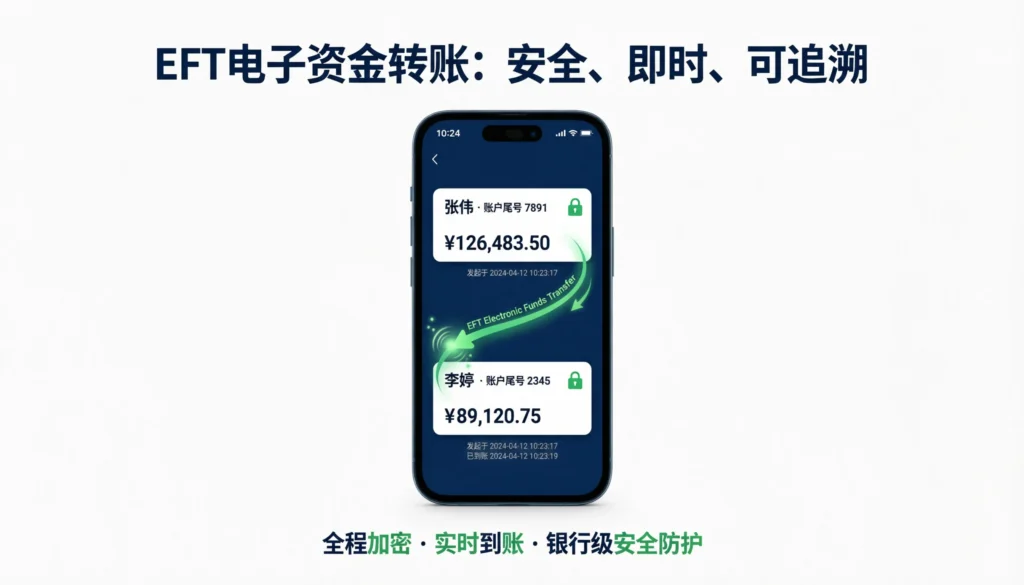
EFT in banking stands for Electronic Funds Transfer. It refers to the digital movement of money from one bank account to another without using paper checks or physical cash.
If you’ve ever checked your bank statement and seen the term EFT, you might have wondered what it actually means. Is it a payment? A transfer? A fee?
EFT is one of the most common terms in modern banking, yet many people don’t fully understand how it works. You’re receiving a salary, paying bills online, or transferring money between accounts, EFT likely plays a role behind the scenes.
Let’s break it down clearly and simply.
In simple terms:
EFT means money moved electronically.
Understanding EFT in Simple Words
Electronic Funds Transfer is any transfer of money that happens electronically between financial institutions or accounts.
Instead of writing a check or withdrawing cash, the transaction happens through:
- Banking networks
- Online systems
- Secure electronic payment platforms
If money moves digitally between accounts, it is typically considered an EFT.
Common Types of EFT in Banking
EFT is not just one type of transaction. It includes several everyday banking activities.
1. Direct Deposit
When your employer deposits your salary directly into your bank account, that is an EFT.
2. Online Bill Payments
Paying electricity, internet, or credit card bills through your bank app is an EFT.
3. ATM Transfers
Moving money between your checking and savings account at an ATM is also an EFT.
4. Debit Card Transactions
When you swipe your debit card at a store, funds are electronically transferred from your bank to the merchant.
5. Wire Transfers
Wire transfers are a specific type of EFT used for larger or urgent payments.
6. ACH Transfers
ACH transfers (Automated Clearing House) are commonly used for payroll, recurring payments, and government benefits.
How EFT Works
Here’s what happens during an EFT:
- You authorize a payment or transfer.
- Your bank verifies available funds.
- The request is sent through a secure payment network.
- The receiving bank processes the transaction.
The process can be instant or take 1–3 business days depending on the type of EFT.
EFT vs Wire Transfer
People often confuse EFT and wire transfers.
| Feature | EFT | Wire Transfer |
|---|---|---|
| Speed | Usually 1–3 days | Often same day |
| Cost | Often free or low fee | Higher fee |
| Use | Everyday banking | Large or urgent transfers |
| Processing Network | ACH or bank systems | Bank-to-bank direct |
Important:
All wire transfers are EFTs, but not all EFTs are wire transfers.
EFT vs ACH
ACH is a specific network used to process certain EFT payments.
| Term | Meaning |
|---|---|
| EFT | Broad term for electronic money transfer |
| ACH | Specific system that processes many EFT payments |
Think of ACH as one method within the larger EFT category.
Is EFT Safe?
Yes, EFT transactions are generally secure because they use:
- Encrypted banking systems
- Authentication protocols
- Fraud detection monitoring
- Federal banking regulations
However, always:
- Protect your online banking credentials
- Avoid sharing account details publicly
- Monitor statements regularly
Advantages of EFT in Banking
Electronic Funds Transfers offer several benefits:
- Faster transactions
- Convenience
- Reduced paperwork
- Lower processing costs
- Automated recurring payments
- Better tracking of transactions
For businesses and individuals alike, EFT simplifies financial management.
Are There Fees for EFT?
It depends on the type:
- Direct deposit: Usually free
- ACH transfers: Often free
- Debit card payments: No direct fee to consumer
- Wire transfers: May cost $10–$50
Always check your bank’s fee schedule.
Why EFT Appears on Your Bank Statement
When you see “EFT” on your statement, it usually means:
- A direct deposit was made
- A payment was processed
- An automatic withdrawal occurred
- A transfer between accounts happened
If you don’t recognize the transaction, contact your bank immediately.
EFT in Business Banking
Businesses rely heavily on EFT for:
- Payroll processing
- Vendor payments
- Tax payments
- Customer refunds
- Subscription billing
It improves cash flow management and reduces manual errors.
Legal Protection for EFT Transactions
In many countries, electronic fund transfers are protected under consumer protection laws.
For example, in the United States, the Electronic Fund Transfer Act (EFTA) protects consumers from unauthorized transactions and sets rules for resolving disputes.
If unauthorized EFT activity occurs, reporting it quickly can limit liability.
Common Misconceptions About EFT
EFT is the same as cryptocurrency.
No. EFT involves traditional banking systems.
EFT is risky.
Not inherently. It is widely used and regulated.
EFT only applies to large transactions.
No. It includes everyday debit purchases and small transfers.
Real-Life Example
You set up automatic monthly rent payments from your checking account.
Each month:
- Your bank transfers funds electronically
- The landlord receives the payment
- The transaction appears as “EFT Payment” on your statement
No checks. No cash. Just digital transfer.
FAQs
What does EFT mean in banking?
EFT stands for Electronic Funds Transfer, meaning money is moved digitally between bank accounts.
Is EFT the same as direct deposit?
Direct deposit is a type of EFT used to deposit money directly into an account.
How long does an EFT take?
It usually takes 1–3 business days, depending on the type of transfer.
Is EFT safe?
Yes, EFT transactions are generally secure when using trusted banking systems.
Is EFT the same as ACH?
ACH is a specific network used to process many EFT payments.
Are there fees for EFT?
Some EFT types are free, while wire transfers may have fees.
Why do I see EFT on my bank statement?
It indicates an electronic transaction such as a deposit, payment, or transfer occurred.
Conclusion
EFT plays a central role in modern banking. From receiving your paycheck to paying bills and transferring money online, Electronic Funds Transfers make financial transactions faster and more convenient than ever before.
Understanding what EFT means helps you read your bank statements confidently, manage payments efficiently, and recognize legitimate transactions.
In today’s digital world, EFT isn’t just common it’s essential.
Discover More Related Articles:
- CC in Outlook: Meaning, Etiquette, and Best Practices in 2026
- Archive Feature Explained: How It Works Across Messaging Platforms in 2026

Laura Jackson is a writer at textroast.com, where she creates engaging articles that decode the meanings behind slang, phrases, and everyday expressions. Passionate about language and communication, she makes complex or confusing terms easy to understand, turning learning into a fun and relatable experience for readers around the world.