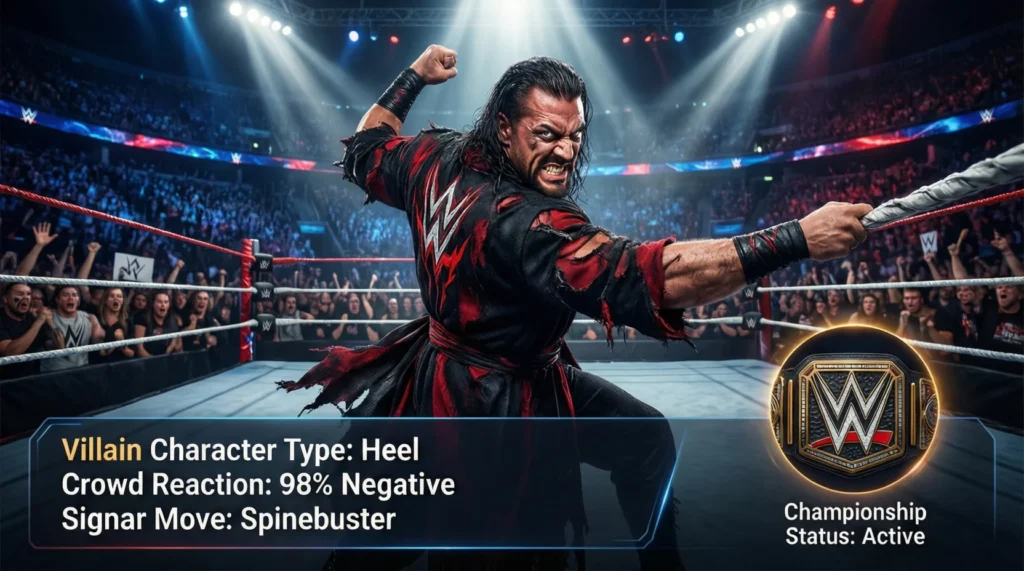
In WWE a heel is a villain character designed to be disliked by the audience often using cheating arrogance or disrespectful behavior to generate negative reactions.
If you watch WWE or professional wrestling in general you have probably heard commentators or fans call a wrestler a heel. Sometimes it sounds like an insult and other times it feels like a badge of honor. This often leads to one common question among fans new and old what does heel mean in WWE
This article explains the meaning of heel in WWE in a clear friendly and professional way. You will learn where the term comes from how heels behave why WWE needs heels the different types of heels and how heels compare to faces in professional wrestling storytelling.
What Does Heel Mean in WWE
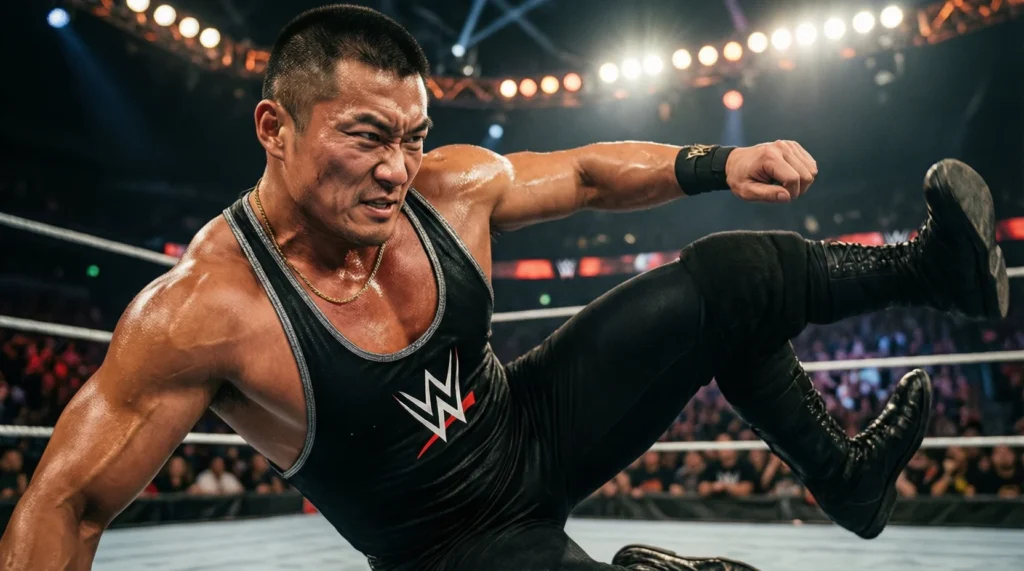
In WWE and professional wrestling a heel is the bad guy. Heels are characters whose role is to frustrate anger or provoke the audience. They oppose the heroes of the story who are known as faces or babyfaces.
Heels often bend the rules insult fans attack opponents unfairly or show selfish behavior. Their goal is not to be loved but to be hated because that reaction helps drive the story forward.
In wrestling the crowd reaction matters just as much as winning matches.
Origin of the Term Heel
The term heel comes from old theatrical and sporting slang. In traditional storytelling a heel referred to someone who played the role of the villain. Early professional wrestling borrowed heavily from theater and live performance.
As wrestling evolved into a character driven spectacle heel became the standard term for the antagonist of the story.
The word has remained part of wrestling language for decades.
Why Heels Are Important in WWE
Heels are essential to professional wrestling. Without heels there are no heroes to cheer for and no emotional conflict.
Heels help create drama
They make faces more popular
They generate crowd reactions
They drive storylines and rivalries
A great heel can make an entire storyline memorable even if fans never want to cheer for them.
Common Heel Characteristics
Heels often share certain traits that make them easy to dislike.
Cheating to win matches
Mocking or insulting fans
Disrespecting opponents
Breaking rules openly
Showing arrogance or entitlement
These behaviors are intentional and part of the performance.
Types of Heels in WWE
Not all heels act the same. WWE uses different heel styles depending on the story.
The Cowardly Heel
This heel avoids fair fights and wins by cheating or running away. They often hide behind managers or allies.
This type of heel frustrates fans and builds sympathy for the face.
The Dominant Heel
A dominant heel is powerful confident and dangerous. They may win cleanly but use intimidation cruelty or lack of remorse.
This type of heel creates fear rather than annoyance.
The Arrogant Heel
This heel believes they are better than everyone else. They brag constantly and look down on fans and opponents.
Arrogant heels often receive loud boos because of their attitude.
The Authority Heel
Authority heels use power and influence rather than strength. They manipulate rules make unfair matches and abuse authority.
These heels often represent corruption or favoritism.
Heel vs Face Explained Simply
The main character divide in WWE is heel versus face.
| Role | Character Type | Crowd Reaction |
|---|---|---|
| Heel | Villain | Booed |
| Face | Hero | Cheered |
Faces fight for fairness and respect while heels represent selfishness and dishonesty.
This contrast drives WWE storytelling.
What Is a Heel Turn
A heel turn happens when a wrestler switches from being a face to a heel.
This often involves betrayal cheating or attacking a former ally. Heel turns are major moments in WWE because they shock the audience and refresh a character.
Some of the most famous moments in wrestling history are heel turns.
Can Heels Be Popular
Yes and this is one of the unique aspects of wrestling.
Some heels become so entertaining that fans secretly enjoy them even while booing. This is known as being a cool heel.
However WWE still treats them as villains within the story.
What Is a Tweener
A tweener is a character who is neither a full heel nor a full face.
Tweeners may break rules but still fight popular opponents. They blur the line between hero and villain.
This role adds complexity to modern WWE storytelling.
How Heels Interact With the Crowd
Heels often engage directly with the audience.
They insult fans
They mock chants
They celebrate being booed
They provoke reactions
In WWE negative crowd reaction is considered success for a heel.
Heels and Winning Matches
Heels often win matches in controversial ways.
Using illegal moves
Getting help from allies
Distracting referees
This protects the face by making losses feel unfair and builds anticipation for future matches.
Heel Managers in WWE
Sometimes heels are paired with managers who amplify their villainy.
Managers speak for the heel
Distract referees
Insult the crowd
Create heat
A strong manager can elevate a heel character significantly.
The Concept of Heat
Heat is the wrestling term for negative crowd reaction.
A heel with strong heat is doing their job well. WWE values heels who can consistently draw boos and emotional responses.
Heat keeps fans invested in the storyline.
Can a Heel Become a Face Again
Yes this is called a face turn.
A heel may gain fan support through bravery respect or standing up to a worse villain. WWE uses face turns to refresh characters and keep stories evolving.
Heel in WWE vs Real Life
It is important to understand that being a heel does not reflect the wrestler’s real personality.
Heels are playing a role. Many wrestlers known for being great heels are respected and liked behind the scenes.
Wrestling is scripted storytelling not real conflict.
Alternate Meanings of Heel
Outside of wrestling heel can mean
The back part of a foot
A villain in theater
A rude or unpleasant person
In WWE it specifically means the villain character.
Professional Alternatives to Saying Heel
In formal writing a heel may be described as
The villain
The antagonist
The bad guy
The opposing character
These all describe the same role.
FAQs
What does heel mean in WWE?
In WWE, a heel is a villain character designed to be disliked by fans, often using arrogance, trash talk, or unfair tactics to generate boos and heat.
Is being a heel bad for a wrestler?
No, being a heel is an important and highly respected role because heels drive storylines forward and make rivalries more exciting.
Can heels be popular?
Yes, some heels become very popular due to their charisma, mic skills, or entertaining personalities, even while still playing the villain.
What is a heel turn?
A heel turn happens when a wrestler changes their character from a hero (face) to a villain, usually through betrayal or shocking actions.
Are heels allowed to cheat?
Yes, cheating is a common heel tactic and is often used to reinforce their villain status and frustrate fans.
What is the opposite of a heel?
The opposite of a heel is a face or babyface, which represents the hero or good guy in WWE.
Do heels win championships?
Yes, heels frequently win championships as part of WWE’s storytelling, often creating strong emotional reactions from fans.
Is heel behavior real?
No, heel behavior is part of WWE’s scripted performance and character portrayal, not the wrestler’s real personality.
Conclusion
So what does heel mean in WWE It refers to a villain character designed to be booed and disliked by the audience. Heels play a crucial role in wrestling by creating conflict drama and emotional investment.
Without heels WWE would lose much of its storytelling power. Cowardly dominant or arrogant a great heel helps make heroes shine brighter and keeps fans engaged week after week.
Understanding the heel role allows you to appreciate WWE not just as a sport but as a form of live storytelling.
Discover More Related Articles:
- What Does SB Mean in Track? Season Best Explained Simply in 2026
- What Do PF and PA Mean in Fantasy Football? Tiebreakers Explained in 2026

Laura Jackson is a writer at textroast.com, where she creates engaging articles that decode the meanings behind slang, phrases, and everyday expressions. Passionate about language and communication, she makes complex or confusing terms easy to understand, turning learning into a fun and relatable experience for readers around the world.