
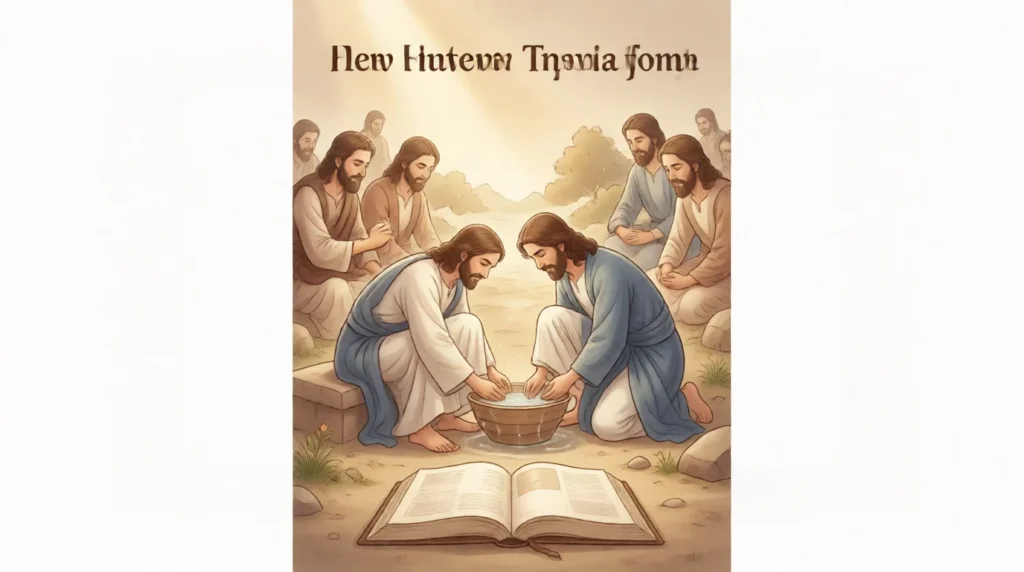
In a world that celebrates self-promotion, personal branding, and constant validation, the Bible presents a very different view of greatness. Scripture consistently teaches that true strength, wisdom, and honor come not from pride but from humility.
Biblical humility is not weakness. It is not insecurity. And it is not thinking poorly of yourself. Instead, it is having a clear understanding of who God is and who we are in relationship to Him.
From Moses to Mary and from King David to Jesus Himself, humility appears again and again as a defining quality of faithful living. This article explores what humility means in the Bible, its origins, how it is used in Scripture, real-life applications, comparisons with related concepts, and why it remains essential for believers today.
Definition
Humility in the Bible means a heart attitude of dependence on God, obedience to His will, and valuing others above oneself without pride or self-exaltation.
It involves recognizing God’s authority, understanding human limitations, and living with reverence, teachability, and gentleness.
What Does Humility Mean in the Bible?
Biblical humility is a posture of the heart rather than a personality trait. It describes how a person relates to God and to others.
At its core, humility in the Bible means willingly submitting to God’s authority, trusting His wisdom over personal understanding, and treating others with respect and love.
Key elements of biblical humility include:
- Dependence on God rather than self
- Obedience even when it is difficult
- Willingness to serve rather than seek recognition
- Teachability and openness to correction
- Freedom from arrogance and self-glorification
The Bible teaches that humility invites God’s grace, while pride creates distance from Him.
Origin of Humility in the Bible
Understanding humility becomes clearer when we look at the original biblical languages.
Hebrew Meaning of Humility in the Old Testament
In the Old Testament, humility is often expressed through Hebrew words that describe lowliness, gentleness, and submission to God.
| Hebrew Word | Meaning | Biblical Context |
| Anav | Humble, gentle | Used to describe faithful leaders |
| Anah | To bow down | Often connected to surrender before God |
Moses is described as extremely humble, not because he lacked leadership ability, but because he relied on God rather than himself.
Greek Meaning of Humility in the New Testament
The New Testament expands the meaning of humility through Greek terms that emphasize attitude and mindset.
| Greek Word | Meaning | Usage |
| Tapeinophrosyne | Lowliness of mind | Christian character trait |
| Praus | Gentle or meek | Strength under control |
These words show that humility is intentional and active, not passive or fearful.
Jesus Christ as the Perfect Example of Humility
Jesus is the clearest picture of humility in the Bible.
He willingly served others, associated with the people with low-income and marginalized, and obeyed God completely, even when it led to suffering. Jesus did not use His authority to dominate others. Instead, He used it to love, heal, and restore.
His humility was expressed through action, sacrifice, and obedience.
How Humility Is Practiced in Daily Life
Biblical humility is deeply practical and affects every area of life.
Personal Life
- Acknowledging personal limitations
- Asking God for guidance
- Admitting mistakes without defensiveness
Relationships
- Listening more than speaking
- Forgiving instead of holding grudges
- Serving without expecting praise
Faith and Worship
- Recognizing God’s sovereignty
- Praying sincerely
- Trusting God in uncertainty
Humility frees people from the pressure of self-promotion and control.
Biblical Examples of Humility
| Biblical Figure | Example of Humility | Tone |
| Moses | Led Israel while remaining dependent on God | Reverent |
| David | Repented sincerely after sin | Reflective |
| Mary | Accepted God’s plan with faith | Trusting |
| Jesus | Served and sacrificed for others | Loving |
In contrast, characters such as Pharaoh, Saul, and the Pharisees illustrate the destructive effects of pride.
Humility Compared With Related Biblical Concepts
Pride vs Humility
| Humility | Pride |
| Trusts God | Trusts self |
| Accepts correction | Rejects accountability |
| Leads to honor | Leads to downfall |
| Values others | Seeks recognition |
Humility vs Meekness
Humility refers to an inner attitude before God.
Meekness refers to outward behavior toward others.
Both qualities work together and were perfectly demonstrated by Jesus.
Common Misunderstandings About Humility
Humility does not mean weakness, silence, or lack of confidence.
It does not mean denying gifts or avoiding leadership.
True biblical humility allows confidence to exist without arrogance and strength to exist without pride.
Alternate Meanings of Humility
Outside of a biblical context, humility may simply refer to modest behavior or polite restraint. While these meanings overlap, biblical humility goes deeper by rooting behavior in reverence for God rather than social norms.
Polite or Professional Alternatives to the Word Humility
In faith-based or professional writing, humility may also be described as:
- Teachability
- Servant-heartedness
- Modesty
- Lowliness of heart
- God-centered living
Each term reflects an aspect of biblical humility.
Example Table: Humility in Everyday Situations
| Situation | Humble Response | Prideful Response |
| Receiving correction | Listens and learns | Becomes defensive |
| Conflict | Seeks peace | Seeks victory |
| Success | Gives God credit | Takes full credit |
| Failure | Repents and grows | Blames others |
Why Humility Matters to God
The Bible repeatedly connects humility with wisdom, grace, and blessing. God responds favorably to those who approach Him with sincerity and dependence.
Humility prepares the heart to receive instruction and spiritual growth.
Conclusion
Understanding what humility means in the Bible reveals a powerful truth. Humility is not about lowering your value. It is about aligning your life with God’s truth.
When humility shapes the heart, it leads to wisdom, peace, and spiritual growth. It allows people to live confidently without pride and serve others without seeking recognition.
Biblical humility does not shrink life. It strengthens it.
FAQs
What does humility mean in the Bible?
It means submitting to God, recognizing human limitations, and valuing others without pride.
Is humility commanded in Scripture?
Yes. Both the Old and New Testaments instruct believers to walk humbly before God.
How did Jesus demonstrate humility?
Through service, obedience, sacrifice, and compassion for others.
Is humility the same as meekness?
No. Humility is an inner attitude, while meekness is outward gentleness.
Why does the Bible warn against pride?
Pride leads to self-reliance and spiritual downfall.
Can humility and confidence coexist?
Yes. Biblical humility produces confident faith rooted in God.
How can humility be practiced daily?
By praying, accepting correction, serving others, and trusting God.
Does humility prevent leadership?
No. Many biblical leaders were humble and effective.

David Brown is a content writer and language enthusiast at textroast.com, where he creates insightful articles that explain the meanings of words, slang, and phrases used in everyday life. His work helps readers decode modern language trends, understand cultural expressions, and make sense of online communication with clarity and fun.