
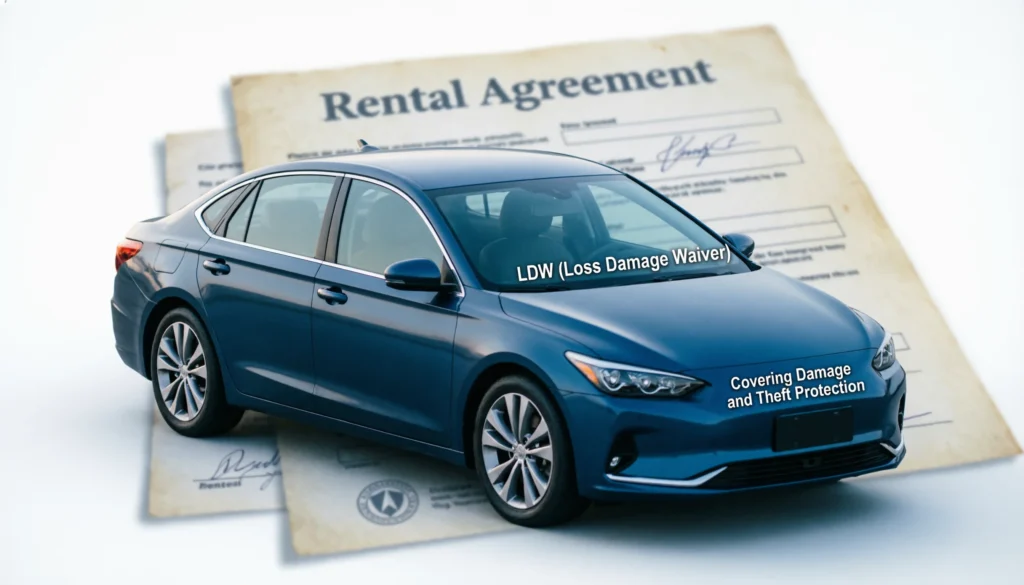
LDW in a car context stands for Loss Damage Waiver. It is a rental car coverage option that relieves the renter from financial responsibility if the rental vehicle is damaged or stolen.
If you’ve ever rented a car, bought a vehicle, or looked at car insurance policies, you might have come across the term LDW. It often appears in contracts, insurance papers, or rental agreements, but its meaning isn’t always clear.
Understanding LDW is crucial for avoiding unexpected costs, protecting your vehicle, and making informed decisions when renting or insuring a car.
This article will explain what LDW means in a car, how it works, real-world examples, its pros and cons, and common questions.
In simple terms:
If you have LDW, the rental company usually covers repairs or replacement costs for your car in case of an accident, theft, or damage.
Understanding LDW in Simple Words
LDW is not technically insurance it is a waiver provided by car rental companies.
Here’s what it does:
- Limits or eliminates your financial responsibility for damage
- Covers theft of the vehicle
- Usually includes collision and comprehensive damage
Think of it as a protection plan offered at the time of rental.
LDW vs Insurance
Many people confuse LDW with traditional car insurance. Here’s the difference:
| Feature | LDW | Car Insurance |
|---|---|---|
| Type | Waiver provided by rental company | Insurance policy from insurer |
| Coverage | Rental car damage and theft | Your car, liability, and more |
| Cost | Optional, daily rental fee | Monthly or yearly premium |
| Requirement | Often optional but strongly recommended | Required by law for vehicle ownership |
Important: Even if you have personal car insurance, renting companies may require LDW to cover the rental car itself.
What LDW Covers
LDW generally covers:
- Collision damage (accidents)
- Theft of the vehicle
- Vandalism or natural disasters (varies by company)
- Towing and loss-of-use fees in some cases
Note: LDW usually does not cover:
- Damage to personal belongings
- Injuries to people
- Liability to third parties
For liability, you need separate insurance or coverage through your personal policy.
How LDW Works
When you select LDW at a rental desk or online:
- The rental company notes the coverage on your contract.
- You pay a daily or flat fee for the waiver.
- In case of damage or theft, the company usually waives your financial responsibility.
- You may still be responsible for deductibles or exclusions depending on the contract.
Examples of LDW in Real Life
1 Example : Minor Accident
- You rent a car and accidentally scrape a parking lot pole.
- With LDW, the rental company repairs the vehicle and you do not pay out-of-pocket.
2 Example : Stolen Vehicle
- The rental car is stolen from a parking garage.
- LDW usually covers the loss, so you aren’t charged for the full replacement cost.
3 Example : Natural Damage
- A hailstorm damages the rental car.
- If LDW includes comprehensive coverage, repairs are covered.
LDW Cost
The cost of LDW varies by:
- Car rental company
- Type of vehicle
- Duration of rental
- Location or country
Typical range: $10–$30 per day.
Some premium cars may have higher rates.
Pros and Cons of LDW
Pros
- Protects you from high repair or replacement costs
- Reduces stress during travel
- Covers theft, vandalism, and accidents
- Simple to purchase at rental counter
Cons
- Extra daily cost adds up for long rentals
- May duplicate coverage if you already have rental car insurance via your credit card or personal insurance
- Some exclusions may still leave you liable
LDW vs Collision Damage Waiver (CDW)
Some rental agreements use CDW instead of LDW.
| Feature | LDW | CDW |
|---|---|---|
| Meaning | Loss Damage Waiver | Collision Damage Waiver |
| Coverage | Collision + theft, sometimes comprehensive | Usually only collision damage |
| Theft Coverage | Usually included | Sometimes requires separate theft protection |
Tip: Always check the rental agreement carefully to know exactly what is included.
Do You Need LDW If You Have Insurance?
It depends:
- Personal Car Insurance – Some policies cover rental cars, but coverage may vary by location.
- Credit Card Coverage – Many cards provide rental car protection if you use the card to pay.
- International Rentals – Domestic insurance may not apply overseas.
Even if you have coverage, many renters choose LDW for peace of mind.
Tips for Using LDW
- Read the rental agreement carefully
- Ask about deductibles and exclusions
- Check if your personal insurance or credit card already covers rental vehicles
- Document any pre-existing damage before driving
- Keep a copy of the LDW confirmation for your records
FAQs
What does LDW mean in a car?
LDW stands for Loss Damage Waiver. It limits or eliminates your financial responsibility for rental car damage or theft.
Is LDW insurance?
No. It is a waiver offered by the rental company, not traditional insurance.
What does LDW cover?
It usually covers collision damage, theft, vandalism, and sometimes natural disasters.
Does LDW cover personal items?
No. Personal belongings inside the car are not covered.
Do I need LDW if I have car insurance?
Not always. Check your personal insurance and credit card coverage; LDW can be optional but offers extra protection.
Is LDW required?
Usually optional, but rental companies strongly recommend it and may require it for certain vehicles.
What is the difference between LDW and CDW?
LDW often includes theft coverage, while CDW typically covers only collision damage.
Can I decline LDW?
Yes, if you have alternate coverage, but make sure you understand your liability in case of damage or theft.
Conclusion
LDW is a valuable tool for anyone renting a car, offering financial protection and peace of mind. you’re traveling for business or leisure, understanding LDW ensures you know what costs are covered and what risks you might still face.
By reviewing your rental agreement, understanding your personal coverage, and carefully considering the options, you can make an informed decision about LDW and avoid unexpected expenses during your trip.
Discover More Related Articles:
- CC in Outlook: Meaning, Etiquette, and Best Practices in 2026
- Archive Feature Explained: How It Works Across Messaging Platforms in 2026

David Brown is a content writer and language enthusiast at textroast.com, where he creates insightful articles that explain the meanings of words, slang, and phrases used in everyday life. His work helps readers decode modern language trends, understand cultural expressions, and make sense of online communication with clarity and fun.