
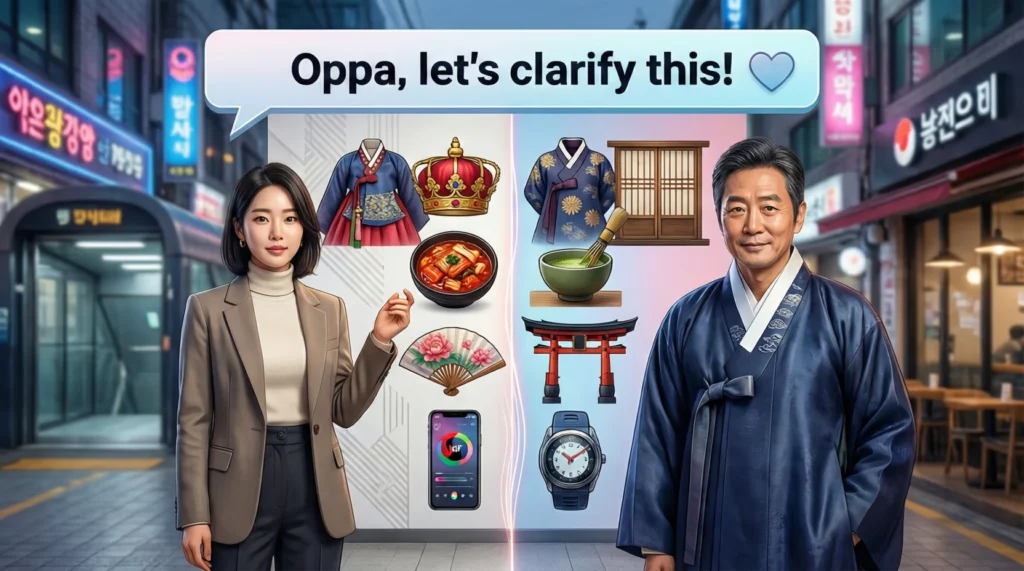
Oppa is a Korean word used by females to refer to an older brother or an older male they feel close to and it does not exist in the Japanese language.
Many people who enjoy Asian pop culture anime K dramas or Korean music often ask what does oppa mean in Japanese. The short and honest answer may surprise you because oppa is not a Japanese word at all. It actually comes from the Korean language.
In this detailed article you will learn what oppa really means which language it belongs to why people think it is Japanese how it is actually used in Korean culture and what the correct Japanese equivalents are. This guide will clear up confusion and help you understand the term correctly.
Is Oppa a Japanese Word
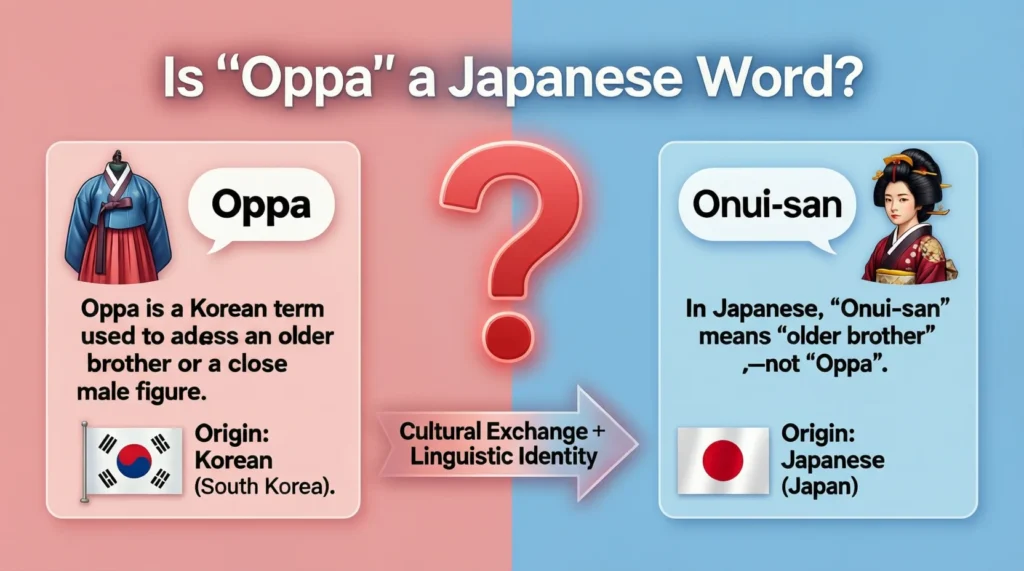
No oppa is not Japanese.
Oppa is a Korean word used in South Korea and among Korean speakers worldwide. There is no direct word called oppa in Japanese vocabulary.
What Does Oppa Actually Mean
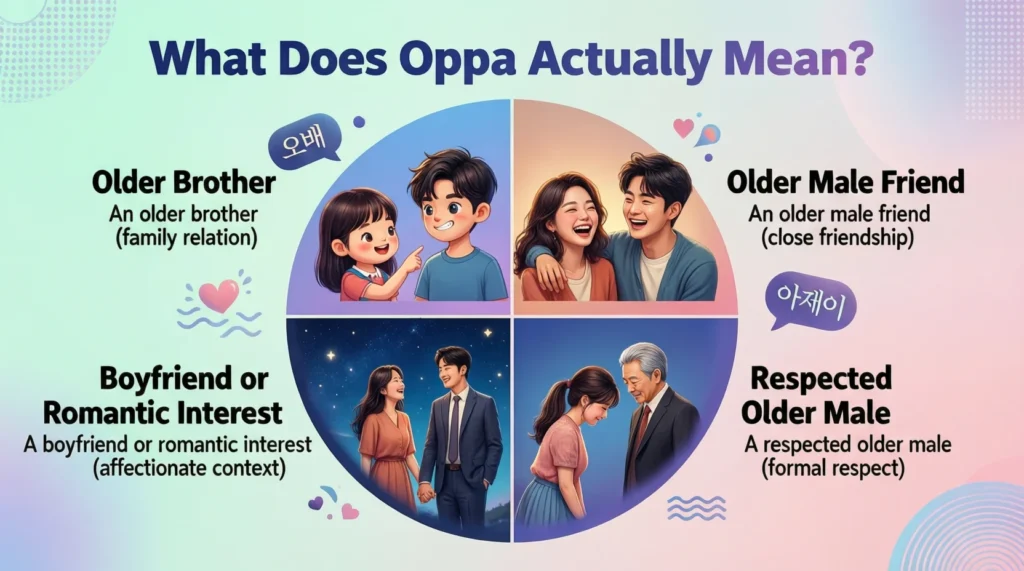
In Korean oppa is used by a female speaker to refer to
Her older brother
An older male friend
A boyfriend or romantic interest
A respected older male
It shows familiarity closeness and respect based on age and relationship.
Literal Meaning of Oppa
Literally oppa means older brother when spoken by a female.
Korean language uses different words depending on gender and age relationships. Oppa specifically reflects this social structure.
Emotional Meaning of Oppa
Oppa carries emotional warmth and familiarity.
Depending on tone it can sound
Affectionate
Respectful
Playful
Romantic
Why People Think Oppa Is Japanese
There are several reasons for the confusion.
Korean dramas anime and Japanese media are popular together
Foreign viewers may not distinguish languages
Oppa is frequently heard in K dramas and K pop
Fans may assume it is Japanese slang
However linguistically Japanese and Korean are completely different languages.
How Oppa Is Used in Korean Culture
In Korean society age hierarchy is very important.
Oppa is used only when
The speaker is female
The person addressed is older
There is familiarity or closeness
Men do not use oppa and younger males cannot be called oppa.
Oppa in Romantic Relationships
Oppa is commonly used by women to address their boyfriend or husband if he is older.
In this context oppa expresses
Affection
Trust
Closeness
Care
This usage is very common in Korean dramas which increases its popularity globally.
Is Oppa Formal or Informal
Oppa is informal and personal.
It is not used in
Professional settings
Formal conversations
Talking to strangers
Using oppa incorrectly can feel awkward or disrespectful in Korean culture.
Oppa in K Pop and Media
Oppa appears constantly in
Korean dramas
K pop lyrics
Reality shows
Fan interactions
Does Japanese Have a Word Like Oppa
Japanese does not have an exact equivalent but it has similar concepts.
Japanese words for older brother include
Onii san polite and respectful
Onii chan affectionate and casual
Ani formal and direct
These words depend on politeness level and context.
Difference Between Oppa and Onii San
| Aspect | Oppa | Onii san |
|---|---|---|
| Language | Korean | Japanese |
| Used by | Females only | Anyone |
| Meaning | Older brother or older male | Older brother |
| Emotional tone | Personal affectionate | Polite respectful |
While both refer to older brothers their cultural usage is very different.
Can You Use Oppa in Japanese Conversation
No using oppa in Japanese conversation would sound incorrect.
Japanese speakers do not use Korean honorifics. Mixing them may confuse or amuse listeners but it is not linguistically correct.
Common Misunderstandings About Oppa
It does not mean boyfriend only
Oppa is not Japanese slang
It is not used by men
Oppa is not a universal term
Understanding these points avoids embarrassment.
Is Oppa Used Outside Korea
Yes among Korean communities worldwide and in global pop culture.
However native speakers still recognize it as Korean not Japanese.
Can Non Koreans Use Oppa
Yes but carefully.
Using oppa casually without understanding relationships may sound unnatural. It is best used when speaking Korean or in Korean cultural contexts.
Japanese Alternatives to Oppa
If you are speaking Japanese use
Onii san for polite reference
Onii chan for affectionate tone
Senpai for older peers
These fit Japanese language norms.
Why Language Accuracy Matters
Using correct words shows respect for culture.
Calling oppa Japanese ignores Korean identity and language. Understanding the difference improves cultural awareness and communication.
Examples of Oppa in Correct Context
Korean context
Oppa can you help me
Romantic context
I miss you oppa
Family context
Oppa is at work
These examples would only make sense in Korean language usage.
Examples of Incorrect Usage
Using oppa in Japanese sentences
Calling a younger male oppa
Men calling someone oppa
Using oppa in formal situations
All of these are culturally incorrect.
Cultural Importance of Age Titles in Korea
Korean language uses many age based titles.
Oppa is one of several including
Hyung older brother for males
Noona older sister for males
Unnie older sister for females
This system shows respect and social order.
FAQs
What does oppa mean in Japanese?
Oppa is not Japanese it is a Korean word.
Is oppa Korean or Japanese?
Oppa is Korean.
Can Japanese people understand oppa?
They may recognize it from pop culture but it is not Japanese.
Is oppa romantic?
It can be romantic depending on context.
Do men say oppa?
No only women use oppa.
What is the Japanese version of oppa?
Onii san or onii chan depending on tone.
Is oppa respectful?
Yes when used correctly.
Why is oppa so popular?
Because of K dramas and K pop.
Conclusion
So what does oppa mean in Japanese The truth is oppa is not Japanese at all. It is a Korean word used by females to refer to an older brother or an older male they feel close to. The confusion comes from the global popularity of Korean entertainment.
Understanding where it comes from and how it is used helps you respect both Korean and Japanese cultures. Using the correct language in the right context shows cultural awareness and avoids misunderstandings.
Discover More Related Articles:
- What Does BE Mean in Fantasy Football and Why It Matters in 2026
- What Does “No Mames” Mean in Spanish? Why People Say It in 2026
- What Does Olé Mean in Spanish? Why Fans Shout It in 2026

Laura Jackson is a writer at textroast.com, where she creates engaging articles that decode the meanings behind slang, phrases, and everyday expressions. Passionate about language and communication, she makes complex or confusing terms easy to understand, turning learning into a fun and relatable experience for readers around the world.