
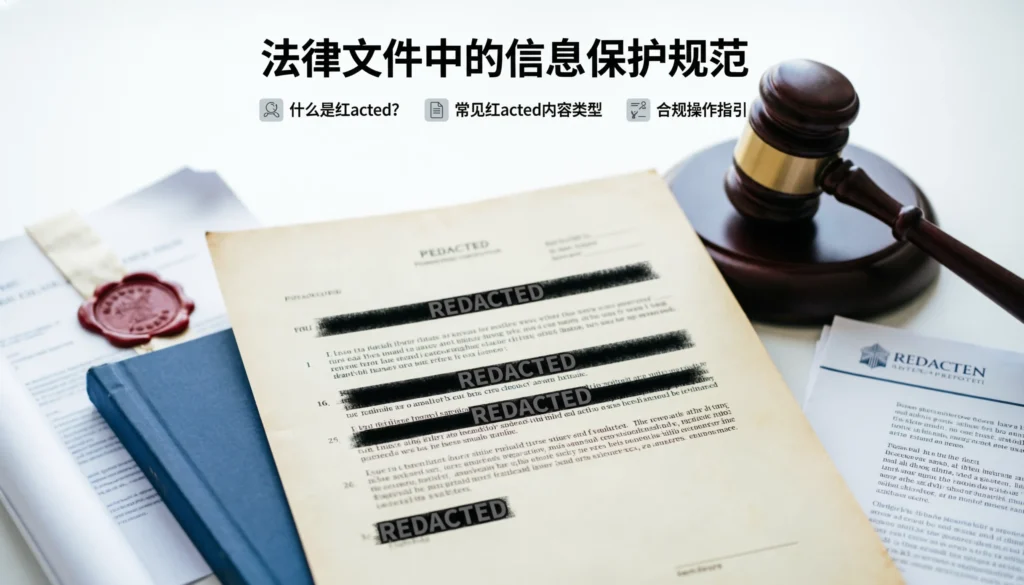
Redacted in court means that certain information in a legal document has been intentionally removed or obscured to protect privacy, confidentiality, or sensitive information.
If you’ve ever seen a court document, legal filing, or government report with blacked-out or blanked sections, you may have noticed the word redacted. It’s common in legal and official contexts, but it can be confusing.
So what does redacted mean in court? Why are documents redacted, and how does it affect your understanding of the case? This guide will explain everything clearly, with examples, comparisons, and FAQs.
In simpler terms, when a document is redacted, you can see most of it, but specific details like names, addresses, Social Security numbers, or other sensitive content are hidden.
Understanding Redaction in Legal Terms
Redaction is a common practice in courts, government agencies, and legal filings. It involves:
- Blacking out text in documents
- Removing personal or confidential information before public release
- Protecting privacy and legal rights while keeping the rest of the document accessible
The purpose is to balance transparency with privacy and legal requirements.
Why Are Court Documents Redacted?
Courts redact documents for several reasons:
- Protect Privacy – Personal information like Social Security numbers, minors’ names, or medical details are often redacted.
- Protect Ongoing Investigations – Sensitive details in criminal or civil investigations may be withheld.
- Prevent Identity Theft or Fraud – Redacting account numbers, addresses, and other personal data reduces risks.
- Comply with Legal Regulations – Laws like HIPAA or federal privacy statutes require redaction of certain information.
Common Examples of Redacted Information
- Names of minors or protected parties
- Social Security numbers or tax IDs
- Bank account or credit card numbers
- Confidential business information
- Details of ongoing criminal investigations
For example, a court filing might look like this:
“The defendant, John [REDACTED], was present on the date of [REDACTED] for the hearing.”
This indicates that sensitive information has been intentionally removed.
Redaction vs Sealing
It’s important to distinguish redaction from sealed documents.
| Feature | Redacted | Sealed |
|---|---|---|
| Purpose | Remove or obscure sensitive info | Keep entire document private |
| Access | Public can view redacted version | Only authorized parties can view |
| Use | Often used in public filings | Used for highly sensitive or confidential cases |
| Example | Names or SSNs blacked out | Entire affidavit or case file hidden from public |
Redaction hides portions of a document, while sealing hides the entire document.
Redaction in Different Types of Cases
Criminal Cases
Sensitive witness information, victim names, or minor identities are often redacted to protect safety.
Civil Cases
Financial data, trade secrets, or private information may be redacted in public filings.
Family Court
Names of children and certain private family details are commonly redacted to protect privacy.
Government or Regulatory Filings
Classified or sensitive information may be redacted for public transparency while safeguarding national security or confidential business information.
How Redaction Affects Court Transparency
Redaction allows courts to release documents publicly while still protecting sensitive content. It’s a compromise between:
- Public access to court proceedings
- Protecting private or sensitive information
Without redaction, releasing certain legal documents could violate privacy laws or endanger individuals.
FAQs
What does redacted mean in court?
Redacted means that portions of a court document have been intentionally removed or obscured to protect private or sensitive information.
Why are documents redacted in court?
Documents are redacted to protect privacy, comply with laws, safeguard ongoing investigations, and prevent identity theft.
Is redacted the same as sealed?
No. Redacted documents are partially visible with sensitive information hidden. Sealed documents are completely private and only accessible to authorized individuals.
Can I request unredacted documents?
Sometimes, if you are a party to the case or have legal standing, you can request unredacted versions. Courts will decide based on privacy and legal protections.
Does redacted mean the information is gone?
Yes. Redacted information is intentionally removed or obscured, and it is not publicly accessible.
Are all court documents redacted?
No. Only sensitive information, protected parties, or legally confidential details are redacted. Many documents remain fully accessible.
Can redacted information be revealed later?
Yes, in some circumstances. If privacy concerns no longer apply or by court order, redacted information may be released.
Who performs the redaction?
Redaction is usually performed by the court staff, attorneys, or clerks in charge of preparing public filings.
Conclusion
Understanding what redacted means in court helps you read legal documents more confidently. While it can be frustrating to see blacked-out sections, redaction serves a vital purpose: protecting sensitive information while allowing public access to the rest of the document.
It’s a minor case, criminal matter, family court, or government filing, redaction ensures the law respects privacy and security while maintaining transparency.
Discover More Related Articles:
- ADD Meaning Explained: Is It the Same as ADHD? in 2026
- K Meaning in Money: Origin and Modern Use in 2026

Daniel Moore is a content writer and language enthusiast at TextRoast.com, specializing in decoding slang, abbreviations, and trending text expressions. He creates engaging and informative articles that help readers understand the meaning behind everyday words and online communication.