
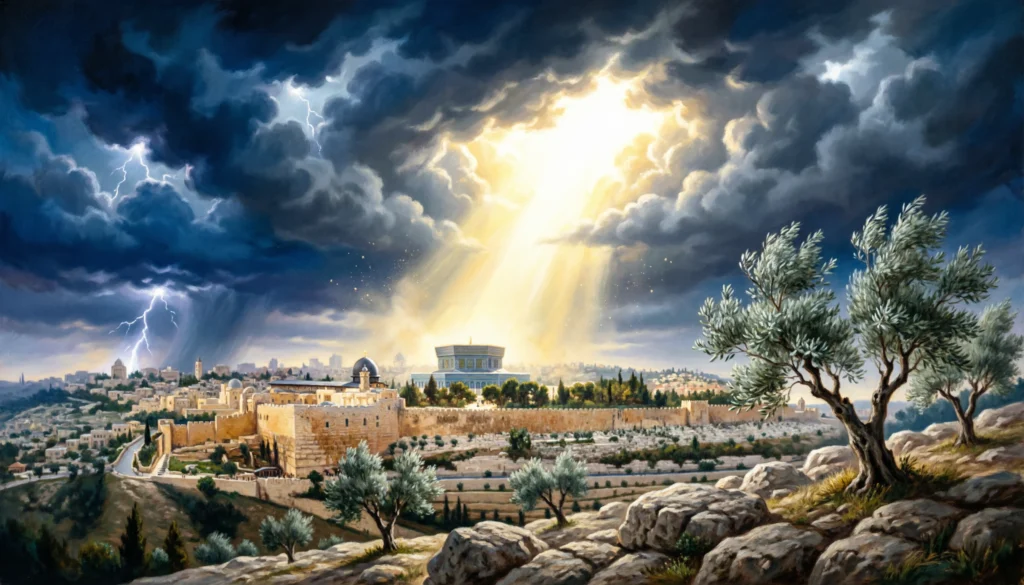
In the Bible, wrath refers to intense anger or righteous judgment, especially God’s holy response to sin and disobedience. Unlike human anger, God’s wrath is just, controlled, and rooted in His holiness and justice.
The word wrath in the Bible often carries a powerful and sobering meaning. However, wrath in Scripture is more than uncontrolled anger it reflects holy justice, moral response to evil, and divine correction.
Understanding what wrath means in the Bible helps believers grasp the seriousness of sin, the holiness of God, and the beauty of His mercy and grace.
The Original Biblical Words for Wrath
Old Testament (Hebrew)
Several Hebrew words are translated as wrath:
- ’Ap̄ (אַף) – Literally means “nose” or “nostrils,” symbolizing anger (as in flaring nostrils).
- Ḥēmâ (חֵמָה) – Meaning heat, fury, or burning anger.
- Qetseph (קֶצֶף) – Indignation or divine displeasure.
These words often describe God’s anger toward idolatry, injustice, rebellion, and covenant unfaithfulness.
New Testament (Greek)
Two main Greek words are used:
- Orgē (ὀργή) – Settled, righteous indignation; often used for God’s wrath.
- Thymos (θυμός) – Passionate anger or fury.
The New Testament frequently uses orgē to describe God’s just response to sin.
God’s Wrath in the Old Testament
1. Wrath Against Sin
Throughout the Old Testament, God’s wrath is directed at:
- Idolatry (Exodus 32:10)
- Injustice and oppression (Isaiah 10:1–4)
- Covenant breaking (Deuteronomy 29:24–28)
God’s wrath is never random or unfair. It is always tied to violations of His holy standards.
2. Wrath as Correction
Sometimes God’s wrath functions as discipline:
- Judges 2:14 – God allowed Israel to face consequences so they would repent.
- Lamentations 3:31–33 – Even in wrath, God shows compassion.
This reveals that divine wrath often aims at restoration, not destruction.
God’s Wrath in the New Testament
Many people think the New Testament focuses only on love, but it also speaks clearly about wrath.
1. Wrath Revealed Against Ungodliness
- Romans 1:18 – “The wrath of God is revealed from heaven against all ungodliness.”
Paul explains that God’s wrath is directed at sin that suppresses truth and rejects Him.
2. Future Judgment
- Revelation 19:15 – Speaks of “the fury of the wrath of God Almighty.”
- John 3:36 – Those who reject Christ remain under God’s wrath.
The New Testament teaches that wrath is part of final judgment, but it also emphasizes salvation through Jesus.
Human Wrath vs. God’s Wrath
The Bible distinguishes between human anger and divine wrath.
| Human Wrath | God’s Wrath |
|---|---|
| Often selfish and uncontrolled | Always righteous and just |
| Rooted in pride or hurt | Rooted in holiness |
| Can lead to sin (James 1:20) | Never sinful |
| Temporary and emotional | Purposeful and measured |
James 1:20 says, “Human anger does not produce the righteousness that God desires.” This highlights the difference between flawed human wrath and perfect divine justice.
Why Does God Show Wrath?
- Because He Is Holy – Sin cannot coexist with His purity.
- Because He Is Just – Evil must be addressed.
- Because He Loves – Love requires opposition to what destroys people.
- Because He Is Faithful – He keeps His covenant promises, including consequences for disobedience.
God’s wrath is not the opposite of His love; it is the expression of His justice in response to evil.
Wrath and Mercy
The Bible consistently shows that wrath is not God’s final word. Mercy and grace are central to His character.
- Psalm 103:8 – “The Lord is compassionate and gracious, slow to anger.”
- Micah 7:18 – God delights in mercy.
- Romans 5:9 – Believers are “saved from wrath through Him” (Jesus).
Jesus and the Wrath of God
Christian theology teaches that Jesus bore the wrath of God on behalf of sinners.
- Isaiah 53:5 – He was pierced for our transgressions.
- 2 Corinthians 5:21 – He became sin for us.
- 1 Thessalonians 5:9 – “God has not appointed us to suffer wrath but to receive salvation.”
This shows that wrath and grace meet at the cross.
The Day of Wrath
The Bible refers to a future “Day of the Lord” or “Day of Wrath.”
- Zephaniah 1:15 – A day of distress and judgment.
- Romans 2:5 – Storing up wrath for the day of God’s righteous judgment.
This day represents the final accountability for sin and the establishment of God’s justice.
Spiritual Lessons About Wrath
- Take Sin Seriously – Wrath reminds us of sin’s consequences.
- Seek Repentance – God offers mercy before judgment.
- Trust God’s Justice – He will ultimately address evil.
- Control Personal Anger – Believers are called to patience and forgiveness.
- Appreciate Grace – Salvation means deliverance from wrath.
Wrath as a Motivator for Holiness
Understanding God’s wrath encourages believers to live in:
- Reverence and respect
- Obedience and faithfulness
- Gratitude for salvation
- Compassion toward others
It fosters spiritual seriousness balanced by trust in God’s love.
FAQs
What does wrath mean in the Bible?
Wrath refers to intense anger or righteous judgment, especially God’s holy response to sin.
Is God’s wrath sinful?
No. God’s wrath is righteous, just, and consistent with His holiness.
How is God’s wrath different from human anger?
Human anger is often selfish and sinful, while God’s wrath is holy and purposeful.
Does the New Testament talk about wrath?
Yes. Romans, Revelation, and other books speak of God’s wrath and final judgment.
What is the Day of Wrath?
It refers to a future time of divine judgment and accountability.
Why would a loving God show wrath?
Because true love opposes evil and defends justice.
How should Christians respond to the teaching on wrath?
With repentance, faith, reverence, and gratitude for salvation through Jesus.
Conclusion
In the Bible, wrath represents God’s righteous and holy response to sin and injustice. From the Old Testament prophets to the teachings of the New Testament, wrath highlights the seriousness of sin while pointing to God’s mercy and grace.
Ultimately, Scripture reveals that while God’s wrath is real, His mercy triumphs through Jesus Christ. For believers, wrath serves as a reminder of God’s holiness and a motivation to live faithfully, gratefully, and obediently.
Discover More Related Articles:
- Joseph in Hebrew: Translation, and Christian Insights in 2026
- Glean Meaning in the Bible: Understanding God’s Word in 2026

Daniel Moore is a content writer and language enthusiast at TextRoast.com, specializing in decoding slang, abbreviations, and trending text expressions. He creates engaging and informative articles that help readers understand the meaning behind everyday words and online communication.