Definition
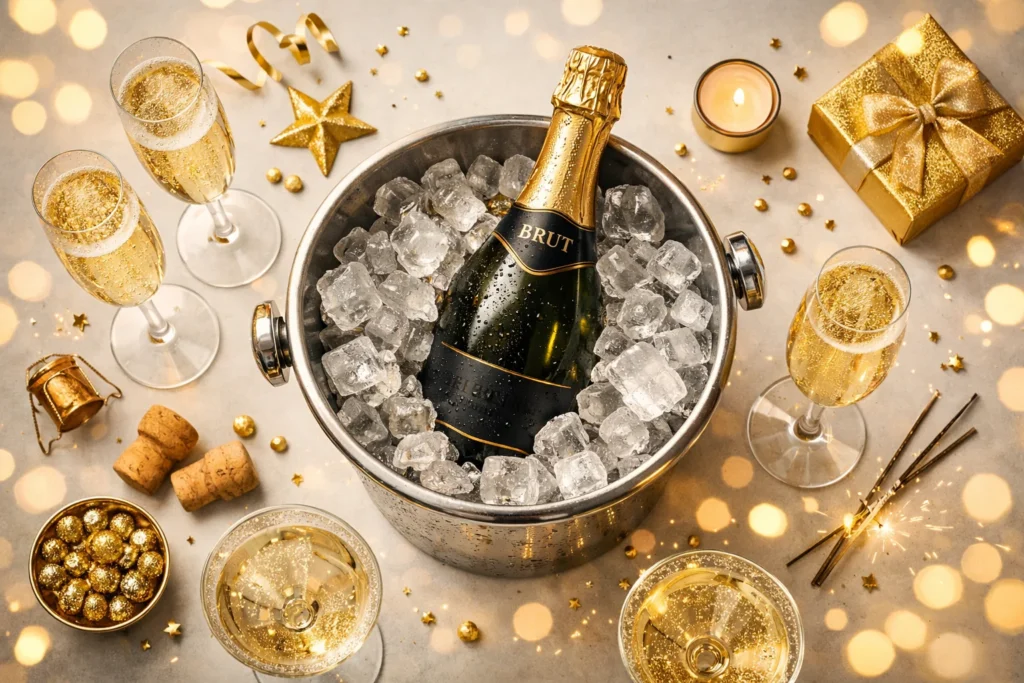
Brut in champagne means a dry style of sparkling wine with very little added sugar, typically containing less than 12 grams of residual sugar per liter. It is one of the most popular champagne sweetness levels and is known for its crisp, fresh, and refreshing taste profile.
If you have ever picked up a bottle of champagne, you’ve likely seen the word “Brut” on the label and wondered what it actually means. It sounds fancy, maybe even a bit confusing, but it plays a very important role in understanding what you’re drinking.
In simple terms, “Brut” tells you how sweet or dry the champagne is. And surprisingly, most people today prefer Brut champagne because it offers a clean, crisp taste without noticeable sweetness.
Whether you’re celebrating a wedding, New Year’s Eve, or just enjoying a casual toast, understanding what Brut means helps you choose the right bottle with confidence.
Let’s break it down in a simple, friendly, and practical way.
What Does Brut Mean in Champagne?
The word Brut is a French term that translates to “raw” or “unrefined.” In champagne classification, it refers to a dry style of sparkling wine with very low sugar content.
Simple Explanation:
Brut champagne is:
- Not sweet
- Lightly dry
- Crisp and refreshing
- Balanced in acidity
Sugar Level in Brut Champagne:
Most Brut champagnes contain:
- Less than 12 grams of sugar per liter
- Often between 0–12 g/L depending on producer style
This makes Brut the most commonly consumed champagne category worldwide.
Origin of the Term “Brut” 🍇
The term “Brut” comes from the French wine classification system developed in the 19th century. At that time, champagne was often much sweeter than it is today.
As international tastes changed, especially in Britain and later the United States, people began preferring drier sparkling wines. French producers responded by creating a new category labeled “Brut,” meaning less sweet and more refined.
Why It Became Popular:
- Global demand for drier wines increased
- Brut paired better with food
- It felt more elegant and modern
- It suited celebratory drinking styles
Today, Brut is the standard style for most champagne production.
Taste Profile of Brut Champagne 🥂
Brut champagne is not just about low sugar. It has a distinct taste experience.
Typical flavor notes include:
- Green apple 🍏
- Citrus (lemon, lime)
- Pear
- Toasted bread or brioche
- Light mineral notes
Texture and feel:
- Crisp bubbles
- Refreshing finish
- Dry aftertaste
- Clean mouthfeel
Brut champagne is often described as:
- Elegant
- Balanced
- Refreshing
- Versatile
Types of Champagne Sweetness Levels (Comparison Table)
Champagne comes in different sweetness styles. Brut is just one category.
| Champagne Type | Sugar Level (grams per liter) | Taste Profile |
|---|---|---|
| Brut Nature | 0–3 g/L | Extremely dry |
| Extra Brut | 0–6 g/L | Very dry |
| Brut | 0–12 g/L | Dry and balanced |
| Extra Dry | 12–17 g/L | Slightly sweet |
| Sec | 17–32 g/L | Noticeably sweet |
| Demi-Sec | 32–50 g/L | Sweet |
| Doux | 50+ g/L | Very sweet dessert-style |
👉 As you can see, Brut sits in the middle sweet spot of dryness and drinkability.
Real-World Usage of Brut Champagne 🥂
Brut champagne is widely used in different settings due to its versatility.
Common occasions:
- Weddings
- Corporate events
- New Year celebrations
- Luxury dining
- Cocktail mixing (like mimosas)
Why people prefer Brut:
- Not overly sweet
- Matches food easily
- Feels premium and elegant
- Suitable for most tastes
Even people who don’t usually drink wine often enjoy Brut because it is less sugary and more refreshing.
Examples of Brut Champagne in Context 🍾
Here are some real-life style examples to understand usage:
Friendly tone:
- “Let’s open a bottle of Brut for the celebration tonight! 🥂”
- “I prefer Brut because it’s not too sweet and feels refreshing.”
Neutral tone:
- “This restaurant serves Brut champagne as part of its welcome drink menu.”
Formal tone:
- “The event featured a selection of premium Brut champagnes from France.”
Casual comparison:
- “I tried Extra Dry before, but Brut is definitely my favorite.”
Brut vs Other Champagne Terms
Many people confuse Brut with other wine terms. Let’s clarify it.
Brut vs Extra Dry
- Brut: Dry, less sugar
- Extra Dry: Slightly sweeter than Brut (despite the name)
Brut vs Brut Nature
- Brut: Small amount of sugar added
- Brut Nature: No sugar added, extremely dry
Sec vs Brut
- Brut: Dry
- Sec: Noticeably sweet
👉 Key takeaway: Brut is not the driest, but it is the most balanced and widely preferred.
Why Brut Champagne Is So Popular 🌍
Brut dominates global champagne sales for several reasons:
1. Universal taste appeal
Most people prefer less sweetness in sparkling wine.
2. Food pairing flexibility
It pairs well with:
- Seafood
- Chicken
- Cheese
- Light desserts
3. Modern drinking trends
Consumers now prefer:
- Dry wines
- Low sugar beverages
4. Prestige factor
Brut is associated with premium champagne brands.
Alternate Meanings of “Brut”
Outside champagne, the word “Brut” is used in different contexts:
In fashion:
- “Brut” is sometimes used to describe raw or minimal design styles.
In fragrance:
- BRUT is also a well-known men’s grooming brand (cologne and aftershave).
And in general French:
- Means “raw” or “rough”
However, in the wine world, it specifically refers to dryness level.
Polite or Professional Ways to Talk About Brut 🍷
If you want to sound more refined or professional, here are better ways to describe Brut champagne:
- “Dry sparkling wine”
- “Low-sugar champagne”
- “Classic Brut style champagne”
- “Crisp and dry sparkling wine”
These alternatives are useful in writing, hospitality, or formal communication.
Tips for Choosing Brut Champagne 🥂
If you are buying champagne, here are some helpful tips:
1. Check the label carefully
Look for “Brut” clearly written.
2. Consider occasion
- Casual events → Brut
- Sweet celebrations → Demi-Sec
- Pure dryness → Brut Nature
3. Pair with food
Brut works best with:
- Salty snacks
- Grilled foods
- Light appetizers
4. Serve chilled
Best temperature:
- 6°C to 8°C for optimal taste
Common Misconceptions About Brut ❌
“Brut means strong alcohol”
Not true. It refers to sugar level, not alcohol strength.
“Brut is bitter”
No, it is dry, not bitter.
“Brut is unhealthy”
Actually, it usually has less sugar than sweeter champagne styles.
FAQs
What does Brut mean in champagne?
Brut means a dry style of champagne with low sugar content, typically under 12 grams per liter.
Is Brut champagne sweet or dry?
Brut champagne is dry, not sweet, and has a crisp taste profile.
Is Brut the driest champagne?
No, Brut Nature is the driest. Brut is slightly less dry but more balanced.
Why is Brut champagne so popular?
Because it offers a clean, refreshing taste that pairs well with most foods and occasions.
Does Brut champagne have sugar?
Yes, but very little compared to other champagne styles
What is the difference between Brut and Extra Dry?
Brut is drier, while Extra Dry is slightly sweeter despite its name.
Can beginners drink Brut champagne?
Yes, it is actually the most beginner-friendly champagne style.
What foods go best with Brut champagne?
Seafood, chicken, cheese, and light appetizers pair very well with Brut.
Conclusion
Brut champagne is one of the most important and widely used terms in the world of sparkling wine. It simply refers to a dry champagne style with low sugar content, making it crisp, refreshing, and highly versatile. Whether you are celebrating a special moment or enjoying a casual evening, Brut is often the safest and most elegant choice.
Understanding what Brut means helps you choose better wines, appreciate flavor differences, and enjoy champagne with more confidence. Instead of being confused by labels, you can now identify exactly what you’re drinking and why it tastes the way it does.
In short, Brut represents balance, freshness, and modern champagne culture.
Discover More Related Articles:
- RCV Meaning in Insurance: Replacement Cost Value Explained in 2026
- Why Most Keywords Say “Not Provided” in Google Analytics in 2026

Laura Jackson is a writer at textroast.com, where she creates engaging articles that decode the meanings behind slang, phrases, and everyday expressions. Passionate about language and communication, she makes complex or confusing terms easy to understand, turning learning into a fun and relatable experience for readers around the world.