Definition
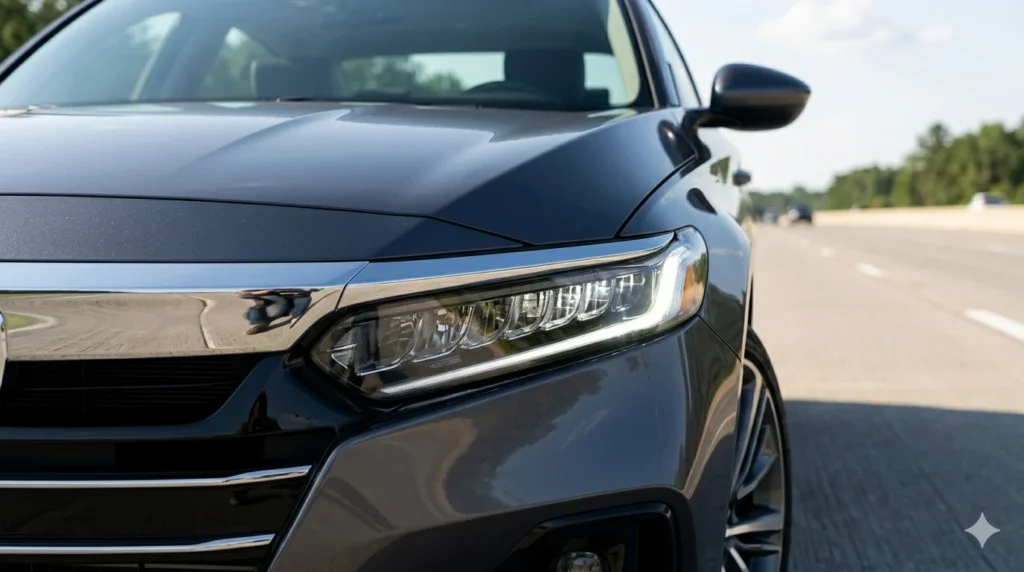
DRL in a car stands for “Daytime Running Lights.” These are automatic lights that turn on when your vehicle is running, improving visibility during the day so other drivers can see your car more easily.
You’re driving down a bright, sunny road clear skies, good visibility yet you notice some cars have their lights on. That’s not a mistake or forgetfulness. It’s a safety feature known as DRL (Daytime Running Lights).
Modern vehicles are packed with smart features designed to improve safety, and DRLs are one of the simplest yet most effective. Even though they seem small, they play a huge role in reducing accidents, especially during low-visibility conditions like fog, rain, or dawn and dusk.
In this guide, we’ll break down everything you need to know about DRL in cars from its meaning and origin to how it works, its benefits, comparisons, and real-life usage.
What Does DRL Mean in a Car?
DRL stands for Daytime Running Lights. These are front-facing lights that automatically switch on when the engine is running.
Key Characteristics of DRLs:
- Automatically turn on with the engine
- Typically located at the front of the car
- Use low energy (often LED-based)
- Not as bright as headlights
- Designed for visibility, not illumination
Unlike headlights, DRLs are not meant to help you see the road they help others see you.
Origin and Evolution of DRL
Where Did DRLs Come From?
Daytime Running Lights were first introduced in Scandinavian countries like Sweden and Norway. These regions experience long periods of low daylight and harsh weather, making visibility a serious concern.
Why They Became Popular
- Governments noticed fewer daytime accidents with lights on
- Studies showed increased vehicle visibility reduces collisions
- Eventually became mandatory in many countries
Global Adoption
- Europe: Mandatory in all new cars since 2011
- Canada: Required since 1990
- USA: Optional but widely used
- Pakistan & other regions: Increasingly common in modern vehicles
How Do DRLs Work in Cars?
DRLs are designed to be simple and automatic.
Working Mechanism
- Engine starts
- DRLs turn on automatically
- They remain on during daytime driving
- When headlights are turned on, DRLs may dim or turn off
Types of DRL Technology
- LED DRLs (most common today): Energy-efficient, long-lasting
- Halogen DRLs: Older systems, less efficient
- Dedicated DRL strips: Stylish LED strips integrated into headlights
Why Are DRLs Important? (Real Benefits)
DRLs are not just about aesthetics they serve a serious safety purpose.
Top Benefits of DRLs
- Improved Visibility
Makes your car more noticeable to others, even in daylight - Reduced Accidents
Studies suggest DRLs can reduce daytime collisions by up to 10% - Better Performance in Poor Conditions
Fog, rain, or dust storms can reduce visibility even during the day - Automatic Operation
No need to remember to turn lights on - Modern Styling
Adds a sleek, premium look to vehicles
Real-World Usage of DRL (With Tone Examples)
Even though DRL is a technical term, it often comes up in everyday conversations especially among car enthusiasts.
Friendly Tone 😊
“Hey, your car’s DRLs look amazing it gives such a premium vibe!”
Neutral Tone
“This model comes with LED DRLs as a standard safety feature.”
Slightly Dismissive Tone 😐
“DRLs are nice, but they don’t replace proper headlights at night.”
DRL vs Other Car Lighting Terms (Comparison Table)
Understanding DRL becomes easier when compared to similar terms.
| Feature | DRL (Daytime Running Lights) | Headlights | Fog Lights | Parking Lights |
|---|---|---|---|---|
| Purpose | Visibility to others | Illuminate road | Improve visibility in fog | Indicate parked vehicle |
| Brightness | Low to medium | High | Medium | Low |
| Automatic | Yes | Sometimes | No | No |
| Used During | Daytime | Night or low light | Foggy conditions | Parking situations |
| Direction | Front only | Front (and rear) | Front (low position) | Front and rear |
Common Misconceptions About DRLs
1. DRLs Replace Headlights
No. DRLs do not provide enough light to see the road at night.
2. DRLs Work at Night
Some cars keep DRLs on, but they are not a substitute for proper headlights.
3. DRLs Are Always Bright
They are intentionally dimmer than headlights to avoid glare.
Alternate Meanings of DRL (Briefly Explained)
While DRL usually refers to Daytime Running Lights in cars, it can have other meanings in different contexts:
- DRL (Engineering): Design Reference Level
- DRL (Gaming): Dead Rising Level
- DRL (Business): Due Diligence Request List
However, in automotive discussions, DRL almost always means Daytime Running Lights.
Polite or Professional Alternatives
If you want to avoid abbreviations in formal writing or communication, you can use:
- Daytime Running Lights
- Automatic daytime visibility lights
- Front daytime safety lighting system
Practical Tips for Using DRLs Effectively
- Don’t rely on DRLs at night always switch to headlights
- Keep DRLs clean for maximum visibility
- Check if your car allows DRL customization
- Use headlights in bad weather, even if DRLs are on
Example Table: DRL Usage in Different Situations
| Situation | Are DRLs Enough? | What You Should Do |
|---|---|---|
| Bright sunny day | Yes | DRLs are sufficient |
| Cloudy weather | Mostly | DRLs help, but stay alert |
| Heavy rain | No | Turn on headlights |
| Foggy conditions | No | Use fog lights + headlights |
| Night driving | No | Use full headlights |
FAQs
What does DRL mean in a car?
DRL stands for Daytime Running Lights, which are automatic lights that turn on during the day to improve vehicle visibility.
Are DRLs the same as headlights?
No, DRLs are less bright and are only meant to make your car visible, not to illuminate the road.
Do DRLs turn on automatically?
Yes, in most modern cars, DRLs activate automatically when the engine starts.
Can I drive at night with DRLs?
No, DRLs are not designed for night driving you must use headlights.
Do DRLs save energy?
Yes, especially LED DRLs, which consume very little power compared to traditional headlights.
Are DRLs mandatory?
In many countries like Canada and Europe, they are mandatory in new vehicles, but rules vary by region.
Why do some cars have very bright DRLs?
Modern LED technology allows DRLs to appear brighter while still being energy-efficient and safe.
Can DRLs be turned off?
It depends on the car model some allow manual control, while others keep DRLs always on for safety.
Conclusion
Daytime Running Lights might seem like a small feature, but they play a significant role in road safety. By making your vehicle more visible during the day, DRLs help prevent accidents and improve overall driving awareness.
Here’s what to remember:
- DRL means Daytime Running Lights
- They improve visibility, not illumination
- They work automatically in most cars
- They are not a replacement for headlights
- They enhance both safety and style
If you’re buying a car or already own one with DRLs, understanding how and when to use them can make your driving experience safer and smarter.
Discover More Related Articles:
- Understanding TDS in Water: Meaning, Measurement & Health Impact In 2026
- Candescent Explained: The Meaning of “Cand” Made Easy In 2026
- Confused About Conduction in Science: Here’s What It Really Means In 2026

Laura Jackson is a writer at textroast.com, where she creates engaging articles that decode the meanings behind slang, phrases, and everyday expressions. Passionate about language and communication, she makes complex or confusing terms easy to understand, turning learning into a fun and relatable experience for readers around the world.