
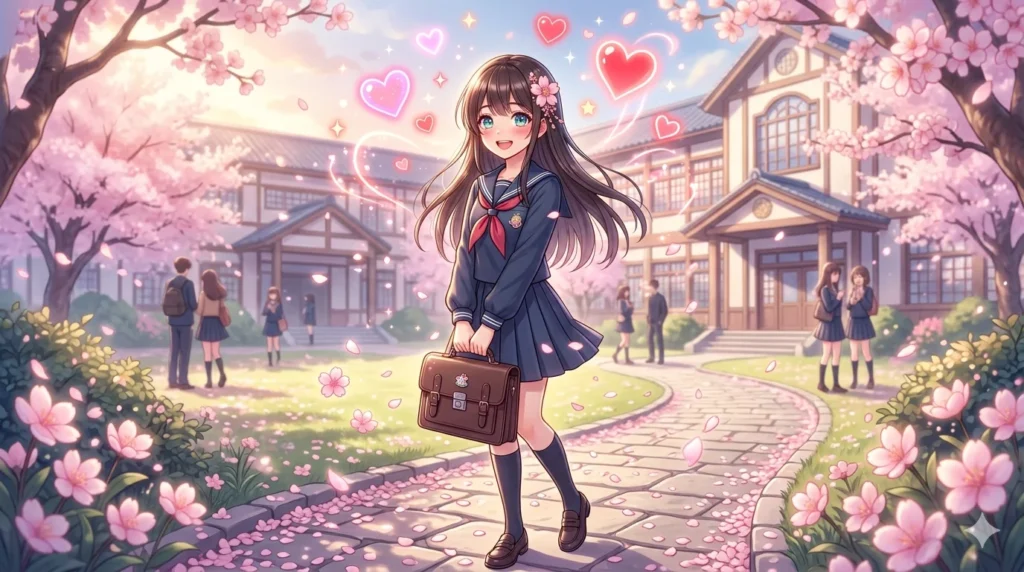
Definition
Shojo (also spelled shoujo) in anime refers to a genre of Japanese animation and manga primarily created for young female audiences, typically focusing on emotions, relationships, personal growth, romance, and character driven storytelling rather than action heavy plots.
In simple terms, shojo anime is all about feelings, friendships, love stories, and emotional development, often told through expressive art styles and relatable characters.
If you have ever watched an anime filled with emotional romance, heartfelt confessions, glowing eyes, and beautifully dramatic scenes, chances are you have already experienced shojo anime without even realizing it.
Shojo anime is one of the most influential storytelling styles in Japanese pop culture. It shapes how romance, friendship, and emotional growth are portrayed in animation. From school life love stories to fantasy romances, shojo anime has a special place in the hearts of fans worldwide.
But what exactly does shojo mean in anime, and why is it so popular? Let’s break it down in a clear and engaging way.
Origin of Shojo in Anime
The word shojo comes from Japanese language and literally means “young girl.” It originally referred to teenage girls in Japan, and over time, it evolved into a label for media aimed at them.
Shojo manga (Japanese comics) began gaining popularity in the mid 20th century, especially in the 1960s and 1970s. These stories focused on emotional storytelling, romance, and daily life experiences of young girls.
As anime adapted these manga, the shojo genre expanded into animation, becoming a major category alongside shonen (targeted toward boys) and other genres.
Key historical points:
Shojo started as printed manga for girls
It evolved into television anime adaptations
It became a global genre loved beyond its original audience
Today, shojo anime is not limited to girls. Viewers of all genders enjoy its emotional depth and storytelling style.
Meaning and Characteristics of Shojo Anime
Shojo anime is not defined by action or adventure but by emotion and relationships. It focuses on how characters grow emotionally rather than physically.
Main characteristics of shojo anime:
Strong emotional storytelling
Romantic relationships as central themes
Focus on friendship and personal growth
Beautiful and expressive character designs
Soft or dreamy visual aesthetics
Inner thoughts and feelings are highlighted
Shojo anime often includes dramatic moments, misunderstandings, and heartfelt confessions that make the story emotionally engaging.
Popularity of Shojo Anime Around the World
Shojo anime became globally popular because emotional storytelling is universal. Anyone can relate to love, friendship, heartbreak, and self discovery.
Reasons for popularity:
Relatable characters and real emotions
Romantic storylines that appeal to a wide audience
Easy to understand narratives
Visually appealing art styles
Strong character development
Many international fans discover anime through shojo series because they are often easier to connect with emotionally compared to more complex action genres.
Common Themes in Shojo Anime
Shojo anime explores a variety of emotional and life centered themes. Some of the most common include:
First love and romantic tension
School life experiences
Friendship struggles and bonding
Self confidence and personal growth
Emotional healing and recovery
Family relationships
These themes make shojo anime feel personal and meaningful, especially for viewers who enjoy character driven stories.
Examples of Shojo Anime in Context
To better understand what does shojo mean in anime, here are some well known examples and their typical tone:
Example Table of Shojo Anime Themes
| Anime Title | Main Theme | Emotional Tone |
|---|---|---|
| Fruits Basket | Healing and emotional trauma | Emotional and heartwarming |
| Ouran High School Host Club | Comedy and romance | Fun and lighthearted |
| Sailor Moon | Friendship and love | Inspirational and heroic |
| Maid Sama | School romance | Romantic and playful |
| Ao Haru Ride | First love and growth | Soft and emotional |
These shows represent the core identity of shojo storytelling, even though each has its own unique style.
Shojo Anime vs Other Anime Genres
Understanding shojo becomes easier when compared with other anime categories.
Shonen vs Shojo
Shojo anime targets emotional storytelling and relationships, while shonen anime focuses more on action, adventure, and competition.
Shojo themes:
Romance
Emotions
Friendships
Personal growth
Shonen themes:
Fighting
Adventure
Power progression
Competition
Shojo vs Josei
It is usually aimed at teenage girls, while josei targets adult women with more mature themes like adult relationships and real life challenges.
Shojo is:
Light emotional storytelling
Teen focused romance
Idealized relationships
Josei is:
Realistic relationships
Adult life struggles
More mature emotional depth
Shojo vs Seinen
Seinen anime is aimed at adult men and often includes darker, more complex, or realistic storytelling compared to shojo’s softer emotional style.
How Shojo Anime Uses Art and Style
One of the most recognizable features of shojo anime is its visual style. The art is designed to reflect emotions rather than realism.
Common artistic elements:
Sparkling eyes to show emotion
Soft pastel color palettes
Flowing floral or dreamy backgrounds
Emotional close up shots
Stylized facial expressions
These artistic choices help viewers feel the emotions of the characters more deeply.
Tone and Emotional Expression in Shojo Anime
Shojo anime is known for its expressive emotional tone. The storytelling often shifts between joy, sadness, excitement, and confusion in a natural flow.
Different emotional tones include:
Friendly tone: Light romance and fun school life stories
Emotional tone: Heartbreak, longing, and personal struggle
Dramatic tone: Conflicts and misunderstandings in relationships
Inspirational tone: Growth and overcoming challenges
This emotional variety is what makes shojo anime so engaging and memorable.
Alternate Meanings of Shojo
While shojo is mainly used in anime and manga, it can have other meanings depending on context.
In general Japanese language:
Shojo can simply mean “girl” or “young female”
In cultural usage:
It may refer to teenage girls in literature or media classification
However, in anime discussions, shojo almost always refers to the genre category.
Polite or Professional Alternatives for Shojo
If you want to explain shojo anime in a more formal or professional way, you can use these alternatives:
Romantic anime genre targeted at young female audience
Emotion focused Japanese animation style
Character driven romance and drama anime category
Youth oriented female demographic anime genre
These terms are useful for academic writing, blogs, or professional content.
Why Shojo Anime Still Matters Today
Shojo anime continues to remain relevant because emotional storytelling never goes out of style. Even as trends change in the anime industry, shojo remains a strong foundation for character based narratives.
Modern shojo anime has also evolved:
More diverse storylines
Stronger female protagonists
Realistic emotional conflicts
Blending romance with fantasy or comedy
This evolution helps shojo stay fresh and appealing to new generations.
FAQs
What does shojo mean in anime?
Shojo in anime refers to a genre aimed mainly at young female audiences, focusing on romance, emotions, friendships, and personal growth rather than action.
Is shojo only for girls?
No, shojo anime is created for young girls but enjoyed by people of all genders worldwide because of its emotional storytelling.
What is the difference between shojo and shonen anime?
Shojo focuses on emotions and relationships, while shonen focuses more on action, adventure, and competition.
What are some popular shojo anime examples?
Popular shojo anime include Fruits Basket, Sailor Moon, Ouran High School Host Club, and Maid Sama.
Does shojo anime always include romance?
Most shojo anime includes romance, but some also focus on friendship, family, or personal growth without romance.
Is shojo a genre or demographic?
Shojo is technically a demographic category in Japan, but it is widely used as a genre label in anime discussions.
What art style is used in shojo anime?
Shojo anime often uses soft colors, expressive eyes, floral backgrounds, and emotional visual effects.
Can boys watch shojo anime?
Yes, shojo anime is enjoyed by everyone regardless of gender because of its relatable emotional themes.
Conclusion
Shojo anime is much more than just a category of Japanese animation. It is a storytelling style that focuses on emotions, relationships, and personal growth. When people ask what does shojo mean in anime, the answer goes beyond definition it represents a heartfelt approach to storytelling that connects deeply with viewers.
From romantic school stories to emotional journeys of self discovery, shojo anime continues to inspire and entertain audiences around the world. You are new to anime or already a fan, exploring shojo can give you a richer understanding of emotional storytelling in Japanese media.
Discover More Related Articles:
- RCV Meaning in Insurance: Replacement Cost Value Explained in 2026
- Why Most Keywords Say “Not Provided” in Google Analytics in 2026

David Brown is a content writer and language enthusiast at textroast.com, where he creates insightful articles that explain the meanings of words, slang, and phrases used in everyday life. His work helps readers decode modern language trends, understand cultural expressions, and make sense of online communication with clarity and fun.