Definition
EV (Electric Vehicle) in cars refers to a vehicle that is powered fully or partially by electricity instead of traditional gasoline or diesel fuel. EVs use electric motors and rechargeable batteries to operate, making them more energy-efficient and environmentally friendly compared to conventional internal combustion engine vehicles.
If you’ve been browsing car reviews, watching auto shows, or even scrolling through social media, you’ve probably noticed the term “EV” popping up everywhere. From sleek futuristic cars to government incentives and charging stations appearing in cities, electric vehicles are quickly becoming the future of transportation.
But what exactly does EV mean in cars, and why is it gaining so much attention?
This guide breaks everything down in simple terms. Whether you’re a beginner curious about electric cars or someone considering buying one, you’ll get a complete understanding of EVs, how they work, and why they matter.
What Does EV Mean in Cars? (Simple Explanation)
EV stands for Electric Vehicle, which means:
- The car runs on electricity instead of fuel, or
- It uses electricity alongside a traditional engine
Unlike conventional cars, EVs rely on electric motors and battery packs rather than internal combustion engines.
Origin of EVs: A Brief History
Electric vehicles may sound modern, but they’ve been around longer than you might think.
Early Beginnings
- In the 19th century, early electric car prototypes were developed before gasoline engines became dominant.
- By the early 1900s, EVs were actually quite popular due to their quiet operation and ease of use.
Decline Phase
- The rise of cheap gasoline and mass production of fuel cars led to a decline in EV popularity.
Modern Revival
- In recent decades, concerns about climate change, fuel costs, and technological advancements brought EVs back into the spotlight.
- Today, major automakers are investing heavily in electric vehicle technology.
Types of Electric Vehicles (EVs)
Not all EVs are the same. There are different categories depending on how they use electricity.
1. Battery Electric Vehicles (BEVs)
- Fully electric
- No fuel engine
- Runs only on electricity
Example: Tesla Model 3
2. Hybrid Electric Vehicles (HEVs)
- Combine a fuel engine with an electric motor
- Cannot be plugged in
- Charge battery through driving
Example: Toyota Prius
3. Plug-in Hybrid Electric Vehicles (PHEVs)
- Hybrid with a plug-in option
- Can run on electricity for short distances
Example: Mitsubishi Outlander PHEV
4. Fuel Cell Electric Vehicles (FCEVs)
- Use hydrogen to produce electricity
- Emit only water vapor
Example: Toyota Mirai
How Do Electric Vehicles Work?
EVs operate differently from traditional cars. Here’s a simple breakdown:
Key Components
- Electric Motor: Powers the wheels
- Battery Pack: Stores electricity
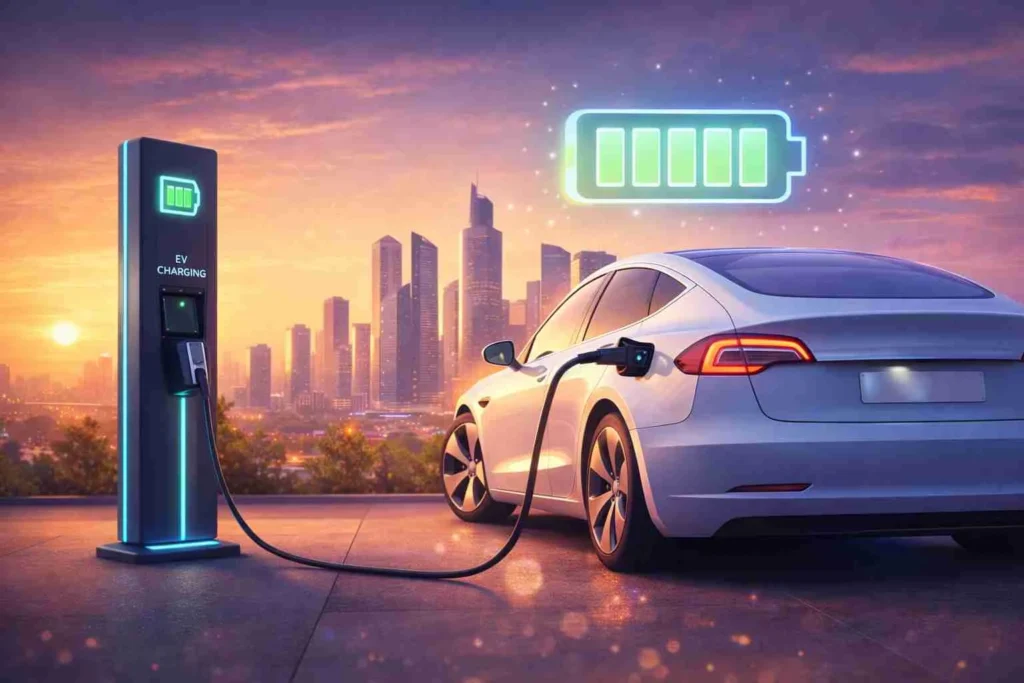
- Charging Port: Allows the vehicle to recharge
- Controller: Regulates power flow
Basic Process
- Electricity is stored in the battery
- Power flows to the motor
- Motor turns the wheels
- Regenerative braking helps recharge the battery
Why EVs Are Becoming So Popular
Electric vehicles are not just a trend—they’re a major shift in the automotive industry.
Key Reasons for Popularity
- Rising fuel prices
- Environmental awareness
- Government incentives
- Lower maintenance costs
- Improved battery technology
Real-World Usage of EVs
EVs are used in everyday life just like regular cars.
Common Use Cases
- Daily commuting
- Ride-sharing services
- Delivery vehicles
- Long-distance travel (with charging stops)
Tone and Context Examples
- Friendly Tone:
“I just bought an EV, and it’s so smooth and quiet!” - Neutral Tone:
“EVs are becoming more common due to environmental benefits.” - Dismissive Tone:
“EVs still have range limitations compared to fuel cars.”
Benefits of Electric Vehicles
EVs offer multiple advantages over traditional vehicles.
Environmental Benefits
- Zero tailpipe emissions
- Reduced air pollution
- Lower carbon footprint
Financial Benefits
- Lower fuel costs
- Reduced maintenance
- Tax incentives in many regions
Performance Benefits
- Instant acceleration
- Smooth driving experience
- Quiet operation
Challenges of EVs
While EVs are great, they are not perfect.
Common Limitations
- Limited charging infrastructure in some areas
- Higher upfront cost
- Battery range concerns
- Charging time compared to refueling
EV vs Traditional Cars: Comparison Table
| Feature | Electric Vehicles (EVs) | Gasoline Cars |
|---|---|---|
| Fuel Type | Electricity | Petrol/Diesel |
| Emissions | Zero (tailpipe) | High |
| Maintenance | Low | High |
| Running Cost | Lower | Higher |
| Refueling Time | Longer (charging) | Quick |
| Noise Level | Quiet | Loud |
EV vs Hybrid vs Plug-in Hybrid
| Type | Uses Fuel | Uses Electricity | Plug-in Option |
|---|---|---|---|
| EV | No | Yes | Yes |
| Hybrid | Yes | Yes | No |
| PHEV | Yes | Yes | Yes |
Alternate Meanings of EV
Although EV usually means Electric Vehicle, it can have other meanings depending on context:
- Expected Value (finance or statistics)
- Enterprise Value (business valuation)
- Exposure Value (photography)
However, in the automotive world, EV almost always refers to Electric Vehicle.
Polite or Professional Alternatives
In formal writing or conversations, you may use:
- Electric Vehicle
- Electrified Vehicle
- Battery-powered car
- Zero-emission vehicle
Tips for Understanding and Using the Term EV
- Use “EV” when discussing modern cars or sustainability topics
- Specify the type (BEV, HEV, PHEV) for clarity
- Avoid confusion by considering context
- Use full form in formal writing first, then abbreviation
Common Misconceptions About EVs
Myth 1: EVs Are Too Slow
Reality: Many EVs are faster than traditional cars due to instant torque.
Myth 2: EVs Can’t Travel Far
Reality: Modern EVs can travel 300–500 km or more on a single charge.
Myth 3: EVs Are Expensive to Maintain
Reality: They usually cost less to maintain than fuel vehicles.
Example Usage Table
| Sentence | Meaning | Tone |
|---|---|---|
| “I’m thinking of buying an EV.” | Considering electric car | Neutral |
| “EVs are the future of transportation!” | Positive opinion | Friendly |
| “EVs aren’t practical for long trips yet.” | Critical viewpoint | Negative |
Future of Electric Vehicles
The EV market is expanding rapidly.
What to Expect
- More charging stations
- Improved battery life
- Lower prices
- Government support
- Advanced technology integration
Many countries are planning to phase out gasoline cars in the coming decades, making EVs the primary mode of transport.
FAQs
What does EV stand for in cars?
EV stands for Electric Vehicle, meaning a car powered by electricity instead of traditional fuel.
Are EVs better than petrol cars?
EVs are generally more environmentally friendly and cheaper to maintain, but may have higher upfront costs.
How do EV cars charge?
They charge using electric power through home chargers or public charging stations.
Do EVs need oil changes?
No, EVs do not require oil changes because they don’t use internal combustion engines.
How long does an EV battery last?
Most EV batteries last 8 to 15 years depending on usage and maintenance.
Can EVs run out of charge easily?
Modern EVs have long ranges, but planning is needed for long trips.
Is EV charging expensive?
Charging is usually cheaper than refueling with gasoline.
What is the difference between EV and hybrid?
EVs run fully on electricity, while hybrids use both fuel and electricity.
Conclusion
Electric vehicles are transforming the way we think about transportation. Understanding what EV means in cars is the first step toward embracing a cleaner, more efficient future.
Quick Summary
- EV stands for Electric Vehicle
- Runs on electricity instead of fuel
- Comes in different types like BEV, HEV, and PHEV
- Offers environmental and financial benefits
- Faces some challenges like charging infrastructure
As technology continues to evolve, EVs are becoming more accessible and practical for everyday use. You’re planning to buy a car or simply staying informed, knowing about EVs is essential in today’s automotive world.
Discover More Related Articles:
- Candescent Explained: The Meaning of “Cand” Made Easy In 2026
- Confused About Conduction in Science: Here’s What It Really Means In 2026
- Understanding TDS in Water: Meaning, Measurement & Health Impact In 2026

Daniel Moore is a content writer and language enthusiast at TextRoast.com, specializing in decoding slang, abbreviations, and trending text expressions. He creates engaging and informative articles that help readers understand the meaning behind everyday words and online communication.